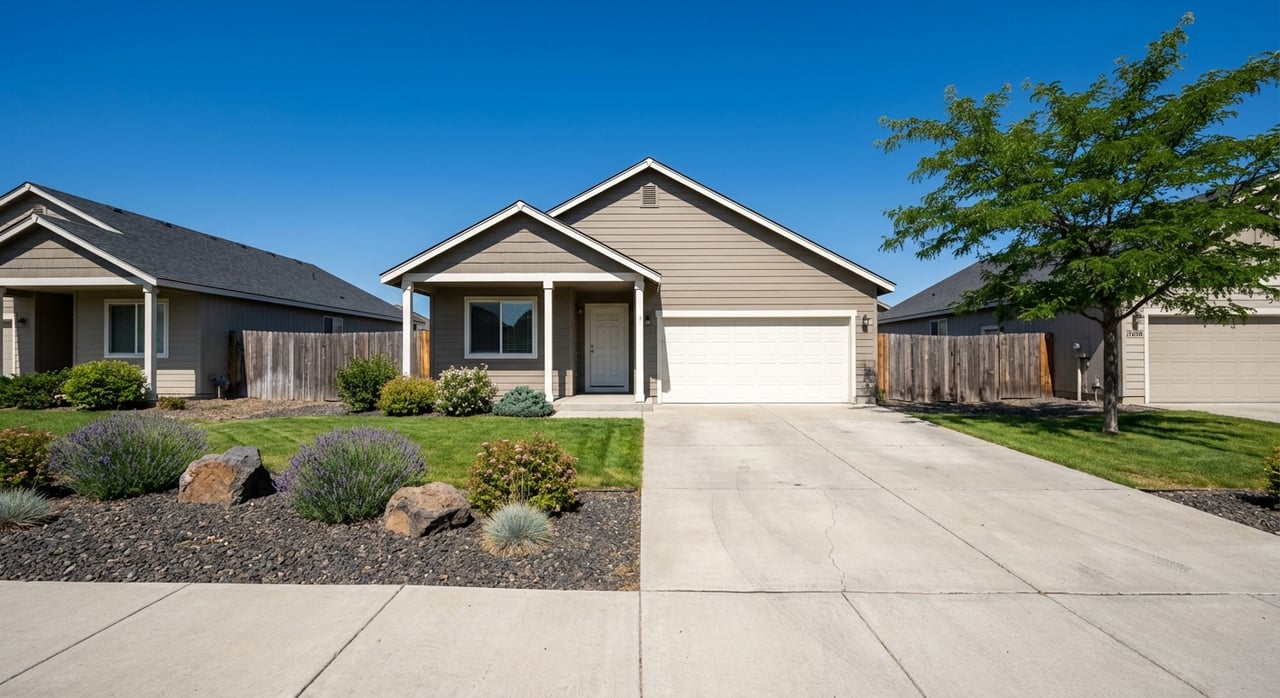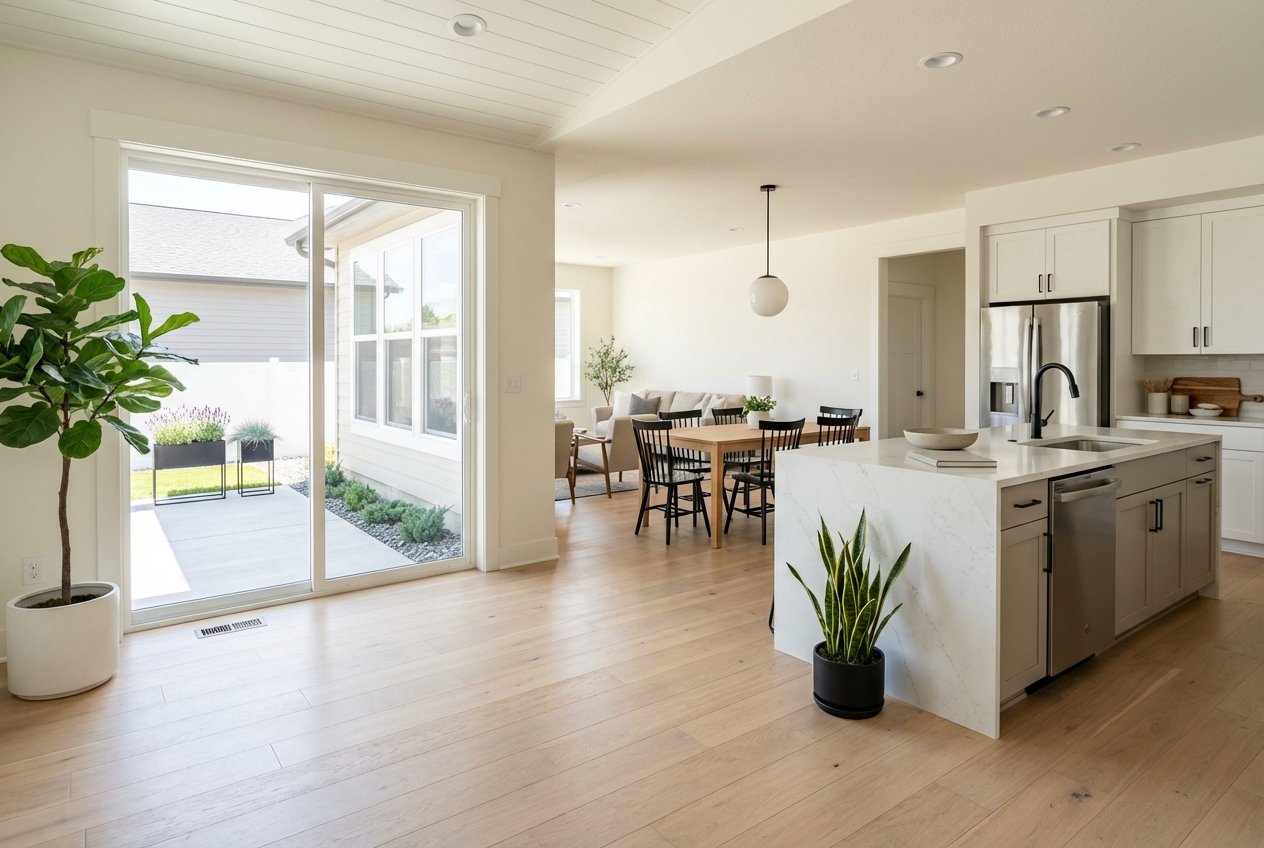
Thinking about selling your Pasco home, but not sure if now is the right moment? You’re not alone. With prices mostly flat, inventory higher than the past few years, and mortgage rates settling below last year’s peak, timing matters. In this guide, you’ll get a clear picture of what’s happening in Pasco right now, what could change this spring, and a practical framework to decide whether to list now or wait a bit. Let’s dive in.
Pasco market snapshot: early 2026
Pasco’s home values are holding roughly steady year over year. Zillow’s city index shows an average home value around $411,117 with a 1-year change of about -0.7% as of January 31, 2026. Zillow also shows roughly 177 active for-sale homes and a median time to pending near 43 days.
Redfin reports a median sale price near $420,000 for January 2026 and a median days on market around 60 days. Realtor.com’s recent snapshot pegs the median listing price closer to $469,900 with roughly 336 active listings across Pasco and Franklin County.
Each provider tracks slightly different things and updates on different schedules. Zillow shows an average value, Redfin reports medians on closed sales, and Realtor.com highlights listing prices and on-site shopper behavior. The differences are normal and help you see the market from multiple angles.
Regionally, the Tri-Cities saw inventory rise to the highest levels since the early 2020s, with a more balanced buyer-seller environment than the tightest pandemic years. Local reporting noted inventory peaking late in 2025 and staying elevated into winter before 2026’s spring activity picked up. That tilt toward balance means smart pricing and standout presentation matter more this year than simply being on the market.
What this means for you
- Expect a more even playing field. You still can get strong results, but buyers have options.
- Well-priced, well-prepared homes move faster. Overpriced listings sit.
- Seasonality still helps, but local supply and rates will shape your specific outcome.
What could change in the next few months
Mortgage rates and affordability
National 30-year fixed mortgage rates have hovered in the low-6% range in early February 2026. Small rate moves can change buyer monthly payments quickly, which expands or shrinks the active buyer pool. You can track the weekly average on Freddie Mac’s Primary Mortgage Market Survey. Check the latest Freddie Mac PMMS report before you decide.
Jobs and local demand
The Tri-Cities economy is anchored by Hanford cleanup work and PNNL. In January 2026, a federal funding package was reported that would bolster Hanford- and PNNL-related projects. That is a stabilizing force for local employment and housing demand, but it’s still a variable to monitor. See the coverage on recent Hanford/PNNL funding news.
New homes coming to Pasco
Pasco’s pipeline includes thousands of proposed or permitted units, along with a city push for more townhomes and multifamily options. When new supply opens near your neighborhood, it can draw away some buyers unless your pricing and presentation compete well. For context on the city’s development priorities, review this Pasco planning and growth overview.
The owner lock-in effect
Many owners who locked sub-4% mortgages have held off selling because replacement financing would cost more. That lock-in reduces listing supply while rates are higher, but it can unwind if rates drift down. The Tri-Cities saw this dynamic in 2024–25 and into 2026 as part of the balanced market story. Get a quick read on the broader setup in this Tri-Cities housing outlook.
Timing your listing in Pasco
National studies of seasonal patterns show a spring bump in buyer activity, with mid-April often performing well. For 2025–26, guidance pointed to prepping in March and listing in mid-April to early May to capture peak traffic. Pasco typically follows this pattern, but the size of the spring premium depends on how much inventory is on the market and where rates sit.
If inventory stays elevated this spring, you may not see a dramatic price bump just from the calendar. That’s why the preparation and pricing choices you control often matter more than chasing a specific week.
Practical takeaway if you can wait a bit: finish repairs and staging now so you can list in the early spring window if rates ease or buyer activity spikes. If rates rise or inventory surges, be ready to price to the market and lean on marketing to stand out.
A simple decision framework
Use this quick framework with your agent to weigh a “sell now” vs. “wait” choice. It’s built around a few key numbers and how to read them.
Key indicators to check now
- Active listings in your ZIP and neighborhood. Are counts rising or falling over the last 30–60 days?
- New listings in the last 30–60 days. More new supply usually reduces seller leverage.
- Pending sales. A higher number signals active buyers in your segment.
- Days on market or days to pending. Compare your neighborhood’s trend to the city norm.
- Sale-to-list price ratio and percent of sales above list. These show negotiating leverage.
- Months of supply. Divide active listings by the monthly sales pace for your segment. Many analysts view roughly 4 to 6 months as balanced. Below 4 tends to favor sellers, above 6 favors buyers. See the common thresholds outlined in this CRS market balance summary.
- Mortgage rate direction. Watch the weekly Freddie Mac PMMS trend alongside quotes from a local lender.
- Local employment headlines. Keep an eye on Hanford/PNNL funding and any major hiring or layoff news.
How to read the numbers
- Months of supply: Below ~4 months suggests you can push for stronger terms and faster timing. Above ~6 months calls for sharper pricing and possibly concessions.
- Sale-to-list ratio: Above ~101% signals strong seller leverage in recent sales. Around 98–100% is more balanced. Below 98% suggests buyers have the upper hand.
- Days on market: Shorter DOM in your micro-area versus the city average is a green light. Longer DOM tells you to fine-tune pricing, prep, or both.
Quick scenarios to guide timing
Sell now
- You have a non-negotiable move date, relocation, or want to avoid months of carrying costs.
- Your segment shows low months of supply or multiple recent pendings.
- Action plan: complete a pre-list inspection as appropriate, price to spark early showings, launch with premium media, and maximize the first two weeks on market.
Wait a few months
- You’re flexible by 3–9 months and your segment shows elevated supply.
- You can finish repairs or staging for a cleaner launch and are watching for rate relief.
- Action plan: prep in March, track inventory and pendings weekly, and be ready to list quickly if buyer activity jumps.
Hold 12+ months
- Your timing is driven by lifestyle or tax planning.
- You want to monitor local new construction openings, job headlines, and 6–12 month price trends.
- Action plan: set 6-month checkpoints with refreshed comps and a net-proceeds update so you know what waiting costs or earns you.
Moves that strengthen your sale
You control more than you think. These steps can improve results in a neutral market.
- Price to the market. When inventory is higher, a competitive price attracts more showings and can still produce multiple offers.
- Prepare before you list. Knock out repairs, declutter, and stage key rooms. If you can, schedule photography once the home is fully prepped so your listing launches with its best look.
- Lead with premium media. Professional photos, video, and clear marketing copy help your home stand out in a longer scroll of options.
- Offer targeted concessions when needed. A rate buydown or modest closing credit can widen your buyer pool without slashing list price. Ask your agent and lender to model the cost.
- Plan the buy-sell move together. If you’re purchasing next, discuss rent-backs, bridge timing, or contingency strategies so your move feels smooth and predictable.
What you get with a custom timing analysis
If you want clarity on sell-now vs. wait, a short, data-forward analysis will make the choice easier. Here’s what to send and what you’ll get back.
What to send
- Property address, bed-bath count, square footage, and notable features.
- Desired move window: urgent 0–3 months, flexible 3–9 months, or 9+ months.
- Rough mortgage balance and current payment, so we can show carry costs and net proceeds.
- Planned work and timing: repairs, paint, flooring, or upgrades.
What you’ll receive
- Neighborhood comps: 3–6 recent solds, plus active and pending competitors, with sale-to-list ratios and DOM by segment.
- Local supply snapshot: current actives, new listings over 30/60 days, and an estimated months of supply with a simple read on leverage.
- Net-proceeds comparison: today vs. in 3, 6, and 12 months under two paths (prices flat vs. modest appreciation), and sensitivity to mortgage rate changes using the latest Freddie Mac PMMS rate baseline.
- Recommended listing window and tactical checklist: pricing guidance, prep tasks, media plan, and launch date.
When you’re ready to decide, you want a trusted local pro who pairs clean data with premium marketing and fast execution. If that sounds right, reach out to Gavin Vargas for a no-pressure consult and a personalized timing analysis.
FAQs
Is spring really the best time to sell a Pasco home?
- Spring often brings more buyers, and mid-April has historically tested well, but the size of the spring “bump” depends on inventory and mortgage rates that season. Prep early and be ready to move when your micro-market looks favorable.
How do mortgage rates affect my net proceeds if I need to buy after I sell?
- Higher rates can shrink the buyer pool for your sale and raise your next payment. Modeling both sides with current Freddie Mac PMMS rates helps you balance today’s price certainty against the cost of waiting.
What if new construction opens near my neighborhood?
- New supply can siphon off some buyers, especially if builders are offering incentives. You can compete with sharper pricing, standout media, and concessions that matter to your target buyer.
What price trends are Pasco sellers seeing in early 2026?
- Citywide values are roughly flat to slightly down year over year, with a balanced feel across the Tri-Cities. Your neighborhood’s comps and months of supply will tell the most accurate story.
How long does it take to sell a typical Pasco home right now?
- Recent snapshots show a median time to pending in the six- to eight-week range, but turnkey, well-priced homes can move faster. Prep, pricing, and segment demand drive your timeline.