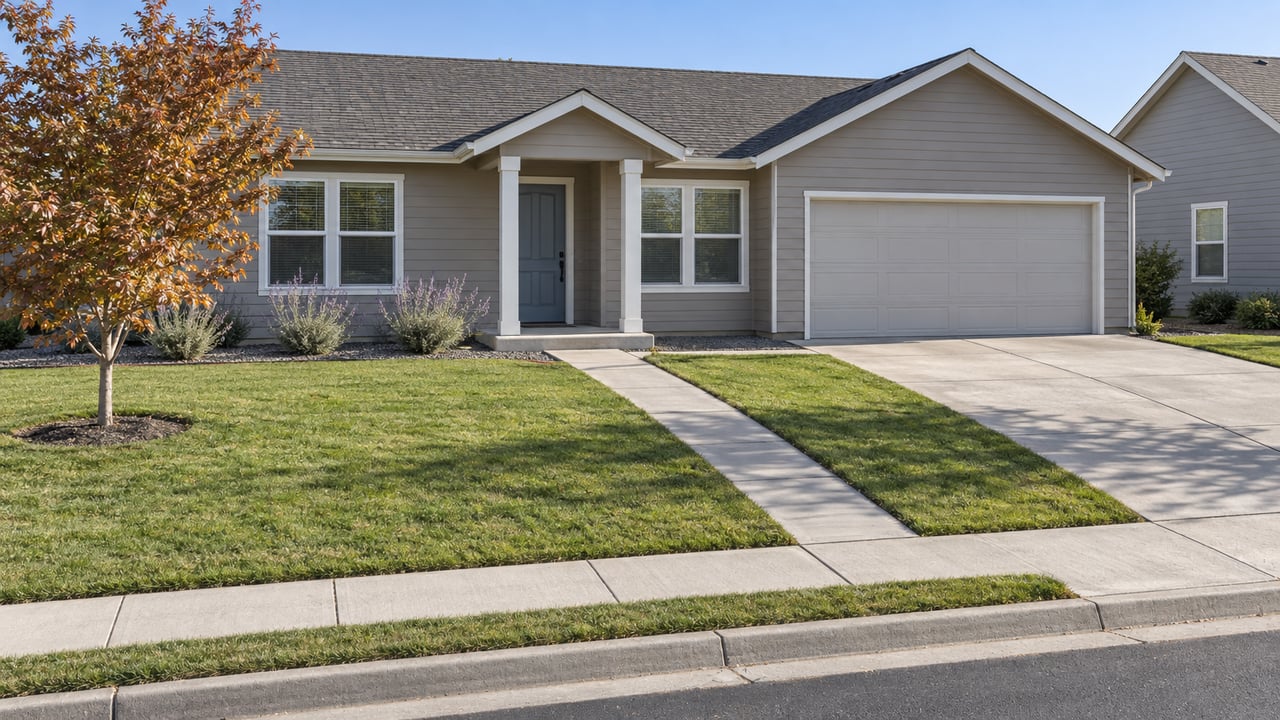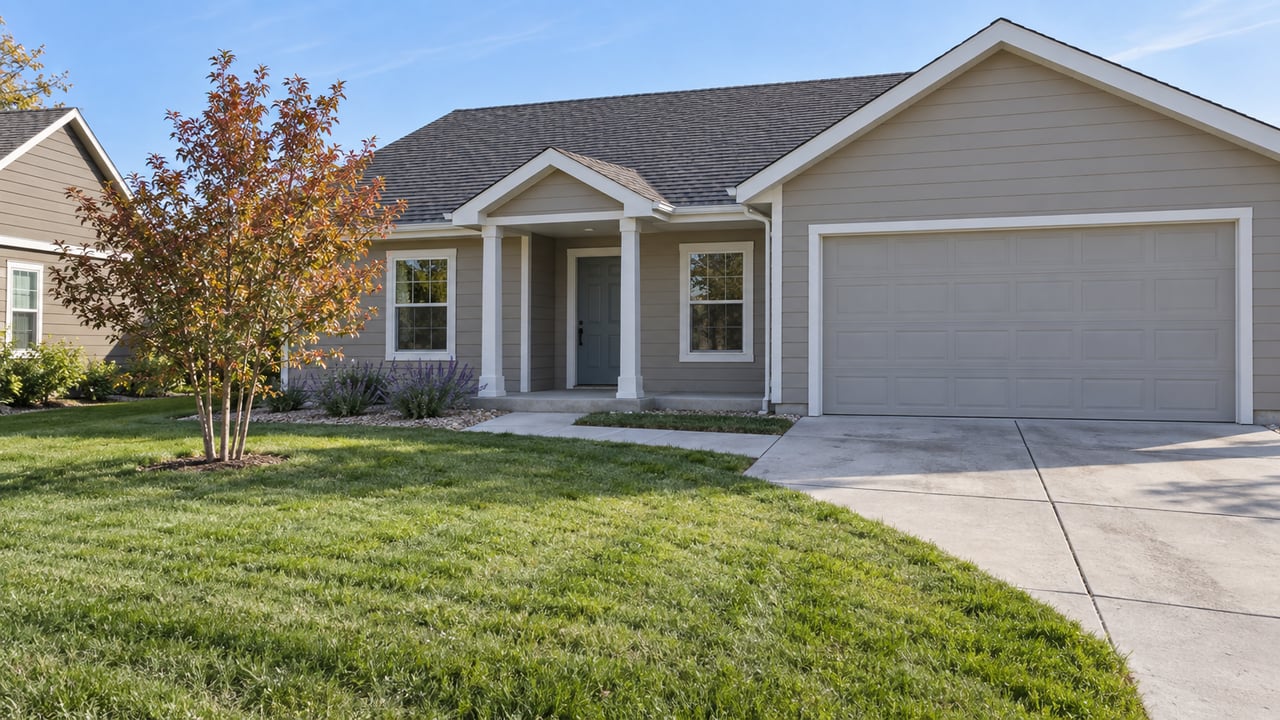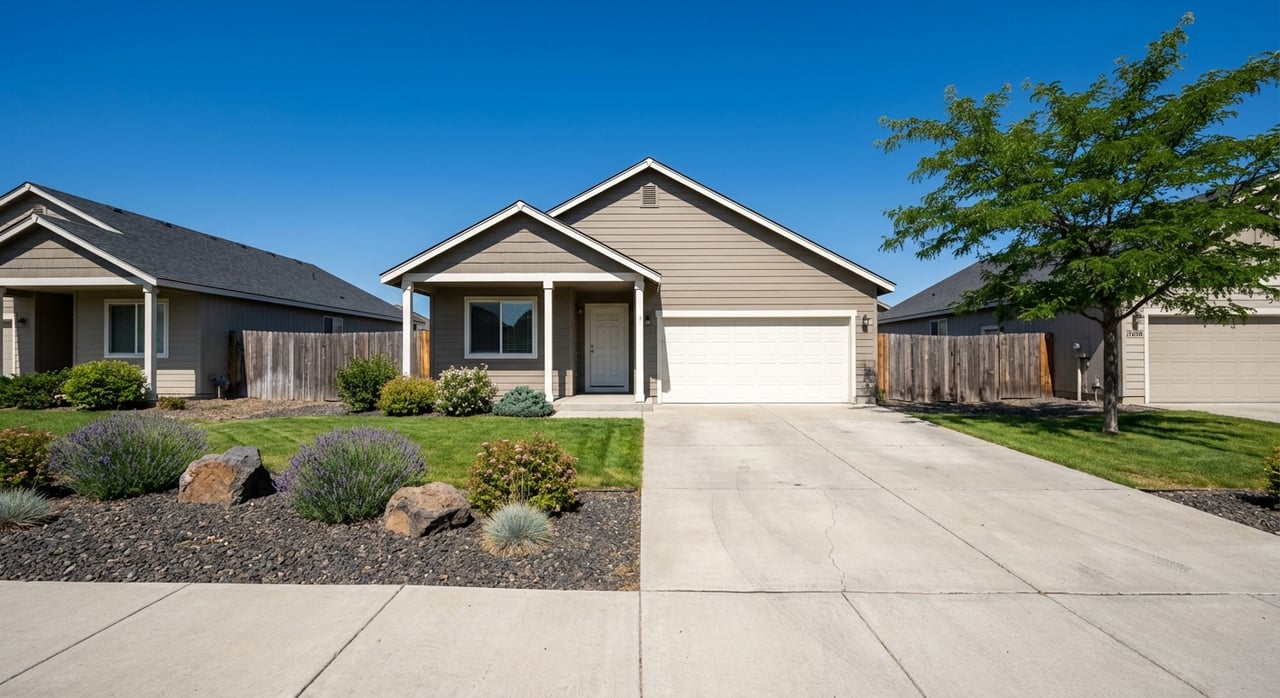
You want your first home in Pasco to fit your budget and your life. The good news is that several neighborhoods offer solid starter options, from older bungalows to early‑2000s subdivisions and townhomes. In this guide, you’ll see realistic price bands drawn from Franklin County Assessor neighborhood reports, commute context, and a local down payment program that can help you get the keys sooner. Let’s dive in.
How to shop Pasco with confidence
Before you pick a block, get a feel for travel times and daily routines. The U.S. Census lists Pasco’s mean commute around 22 minutes, and many residents work across the Tri‑Cities with quick access to I‑182 and SR‑395. You also have fixed routes, vanpools, and on‑demand microtransit through Ben Franklin Transit’s CONNECT service for first and last mile needs. If schools are part of your decision, note that Pasco School District operates multiple high schools, and boundaries can change, so always confirm assignments directly with the district.
When you compare neighborhoods, use objective data. The Franklin County Assessor publishes neighborhood reports with boundaries, build eras, and sample sales used in the 2025 revaluation. Those are a reliable way to ground today’s conversation in recent, verified numbers. You can start at the assessor’s neighborhood data page and then look up the specific reports referenced below.
Best Pasco neighborhoods for first-time buyers
The price ranges below reflect sample sales used by the county for 2024 through early 2025. Your final budget will depend on the home’s condition, exact location, and current listings, but these bands are a useful starting point.
East Pasco (NBHD 501, 502, 503)
If you want the lowest entry price inside city limits, East Pasco often leads the list. According to the county’s East Pasco neighborhood report, recent sample sales ranged from the low $200,000s to the mid $300,000s. You’ll mostly see pre‑1980 one‑story homes and a number of manufactured homes, with many examples between about 500 and 1,300 square feet.
- Typical home: Smaller single‑family or manufactured home, many built before 1980.
- HOA: Largely non‑HOA. Expect varied lot and maintenance histories.
- Daily life: Close to downtown services and bus routes depending on the block.
- Who it fits: Buyers prioritizing the lowest purchase price and comfortable with older homes or renovations.
Reference: See the East Pasco (NBHD 501/502/503) report for boundaries and sample sales used in the 2025 study.
Sunny Meadows (NBHD 303)
Sunny Meadows offers move‑in‑ready 1990s and early‑2000s homes at approachable prices. In the county’s Sunny Meadows report, sample sales clustered from the low to mid $300,000s up to the low $400,000s. Floor plans are straightforward, with many single‑story and modest two‑story options.
- Typical home: Late 1990s to early 2000s detached single‑family, roughly 1,000 to 2,000+ square feet.
- HOA: Many subdivisions have covenants; confirm any dues and rules.
- Daily life: Quick access to Sandifur Parkway, Road 68, and I‑182 for regional commutes.
- Who it fits: Buyers who want a predictable suburban plan without paying for brand‑new construction.
Reference: Review the Sunny Meadows (NBHD 303) report for recent sales samples.
Island Estates and row homes (NBHD 306 and 307)
Island Estates includes both single‑family homes and a smaller pocket of row homes that can deliver a lower‑maintenance path to ownership. The county’s Island Estates single‑family report shows early‑2000s construction in a popular West Pasco location. Row‑home sales commonly cluster in the high $300,000s based on county samples.
- Typical home: Early‑2000s AHO‑built plans. Row homes offer townhome‑style layouts and smaller lots.
- HOA: Row homes almost always have an HOA. Request CC&Rs, budgets, reserve studies, and monthly dues before you offer.
- Daily life: Convenient to Sandifur Parkway services with short access to I‑182.
- Who it fits: Buyers who want newer construction and the option of lower‑maintenance townhomes.
Reference: Start with the Island Estates single‑family (NBHD 306) report for neighborhood context and sales.
Parkside Village (NBHD 304)
Parkside Village is a compact early‑2000s community that regularly shows up on starter lists. The Parkside Village neighborhood report includes sample sales in the low to mid $300,000s. Lots and floor plans are manageable, which helps you control maintenance and monthly costs.
- Typical home: Early‑2000s detached single‑family, modest footprints.
- HOA: Check for covenants and any common‑area obligations.
- Daily life: Near Sandifur Parkway shopping and arterials for easy errands and commuting.
- Who it fits: Buyers who want early‑2000s product at a consistent price point.
Reference: See the Parkside Village (NBHD 304) report for 2024–early 2025 samples.
Three Rivers Crossing (NBHD 305)
If you prefer newer layouts and systems, Three Rivers Crossing is a strong contender. The neighborhood report shows sales typically from the mid $300,000s to the mid $400,000s, with some larger plans higher. Most homes were built 2004 to 2018 by regional builders, so you get open plans and more modern finishes.
- Typical home: 3 to 4 bedroom plans, one‑story options common, roughly 1,400 to 2,500 square feet.
- HOA: Planned builder community. Verify any association fees or common‑area maintenance.
- Daily life: West Pasco setting with straightforward freeway access.
- Who it fits: Buyers wanting move‑in‑ready homes without custom‑home pricing.
Reference: Check the Three Rivers Crossing (NBHD 305) report for recent sales ranges.
NW Commons / Casa del Sol / Desert Estates area (NBHD 308)
NBHD 308 is a mix of sub‑areas. Some smaller‑plan pockets can be attainable for first‑time buyers, while other sections trend higher. The county’s report shows a wide spread, with sample sales roughly from about $370,000 up to $590,000+.
- Typical home: A blend of smaller developer homes and larger custom properties, mostly newer builds.
- HOA: Varies by sub‑plat. Confirm rules and dues.
- Daily life: West Pasco corridors and arterials offer efficient drives to shopping and services.
- Who it fits: Buyers on the cusp between starter and mid‑range budgets who want to compare sub‑neighborhoods.
Reference: See the NW Commons / Casa del Sol / Desert Estates (NBHD 308) report for boundaries and sales.
West Pasco older pockets and Clarks Addition (NBHD 211 and nearby)
West Pasco covers a wide area with both entry‑level and higher‑end blocks. In older pockets and in places like Clarks Addition, you may find smaller homes and manufactured options that can reduce the upfront price. The West Pasco neighborhood report shows a broad range, from mid $300,000s to $600,000s+ depending on age, size, and condition.
- Typical home: Mix of pre‑1970 to 1990s houses, manufactured homes, and newer infill.
- HOA: Mostly non‑HOA in older grids; always verify.
- Daily life: Varies by block. Some areas are near W Court Street and riverside corridors.
- Who it fits: Buyers who value flexibility in home type and are open to older properties.
Reference: Review the West Pasco (NBHD 211) report for examples and ranges.
Commutes, transit, and daily routines
Your time is valuable, so consider both your route and your ride. Pasco’s mean commute sits near 22 minutes, and many buyers choose neighborhoods based on quick access to I‑182 or SR‑395 for work in Kennewick or Richland. Ben Franklin Transit operates fixed routes, vanpools, and CONNECT microtransit that can help with first and last mile connections in lower‑density areas. If you carpool or use vanpool, factor neighborhood access to arterials and park‑and‑ride points into your search.
Financing help: Pasco’s CHIP program
If upfront cash is your hurdle, explore the City of Pasco’s Community Housing Improvement Program. The CHIP program offers a silent second loan up to $10,000 for qualifying low‑ and moderate‑income buyers purchasing within Pasco city limits. It can bridge the gap for down payment or closing costs, which is especially helpful in the starter price bands outlined above. Program guidelines can change, so review current details with the city and your lender early in your planning.
HOA or no HOA? What to check
Townhomes and planned subdivisions can deliver predictable upkeep, but they come with rules and fees. Older grid neighborhoods typically have fewer covenants and no monthly dues.
- If you consider a townhome or HOA property, request the CC&Rs, budget, and reserve study before you write an offer. Confirm what your dues cover, how often they adjust, and whether there are pending special assessments.
- If you consider a manufactured home, confirm whether you own the land or lease space in a park, the home’s age, and current foundation and utility conditions. These items can affect financing and insurance.
How to choose your Pasco starter neighborhood
Use a simple, data‑first process:
- Set a comfortable payment range with your lender. Ask how HOA dues or mortgage insurance affect that number.
- Shortlist 2 to 3 neighborhoods from this guide that fit your target price and commute.
- Pull the Franklin County Assessor report for each area to confirm build eras and recent sample sales, then preview listings to compare floor plans.
- Walk the blocks at different times of day to test drive the commute, grocery runs, and park access.
- If an HOA is involved, read the documents early and budget dues into your monthly payment.
- Ask about the City of Pasco’s CHIP program to see if you qualify for added buying power.
Ready to see homes in person and compare costs down to the dollar? Tour with a local pro who knows the Tri‑Cities block by block. When you are ready to move, connect with Gavin Vargas for data‑driven guidance, rapid showings, and negotiation that gets you home.
FAQs
What is a realistic East Pasco starter price in 2025?
- County sample sales for East Pasco (NBHD 501/502/503) show many recent transactions from the low $200,000s to the mid $300,000s, depending on size and condition.
How long is the average Pasco commute for first-time buyers?
- The U.S. Census lists Pasco’s mean travel time to work around 22 minutes, with many residents commuting within the Tri‑Cities via I‑182 and SR‑395.
Are Island Estates row homes a good low-maintenance option?
- Row homes in Island Estates have shown sales clustering in the high $300,000s in county samples and typically include an HOA, so review CC&Rs, monthly dues, and reserve health before you offer.
Can I get help with the down payment in Pasco?
- The City of Pasco’s CHIP program offers a silent second loan up to $10,000 for qualifying low‑ and moderate‑income buyers purchasing within city limits, subject to current program rules.
Which Pasco neighborhoods often include manufactured homes?
- East Pasco and older West Pasco pockets, including areas near Clarks Addition, commonly include manufactured homes; verify land ownership versus space lease and lending requirements.
Where can I find official neighborhood data and recent sales?
- The Franklin County Assessor’s neighborhood reports provide boundaries, build eras, and sample sales used for the 2025 revaluation, which is a reliable starting point for comparing areas.