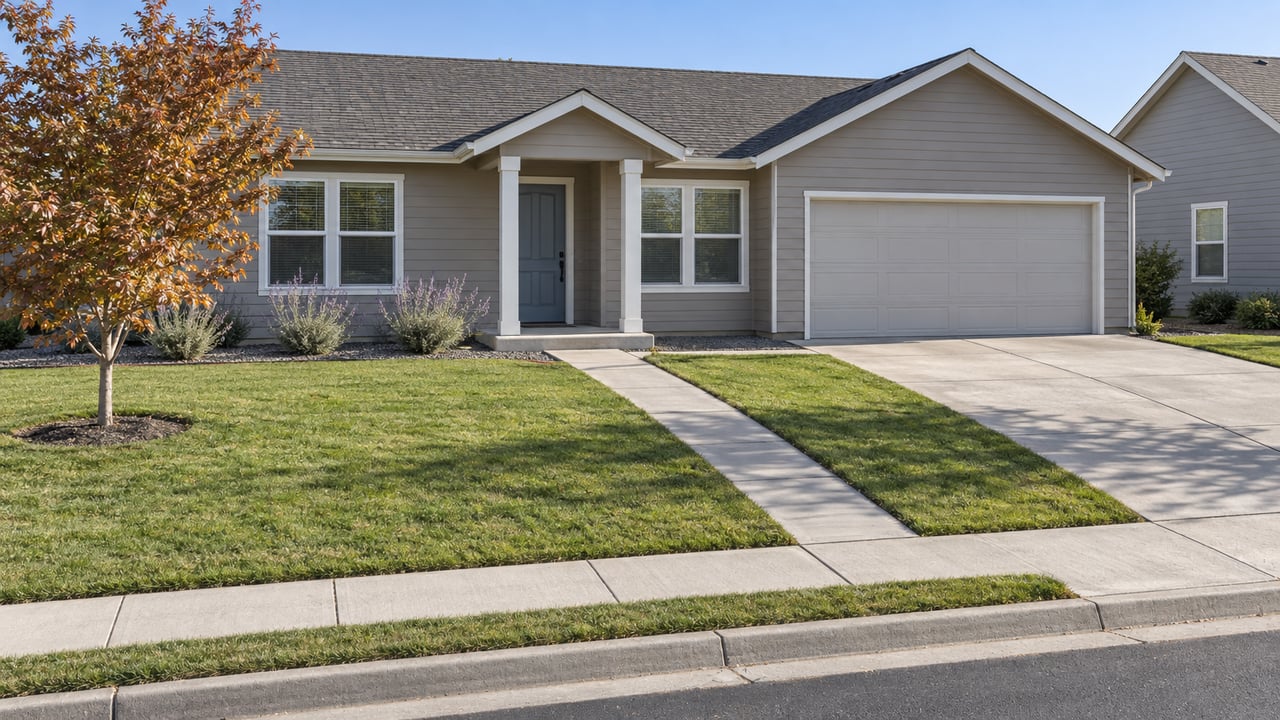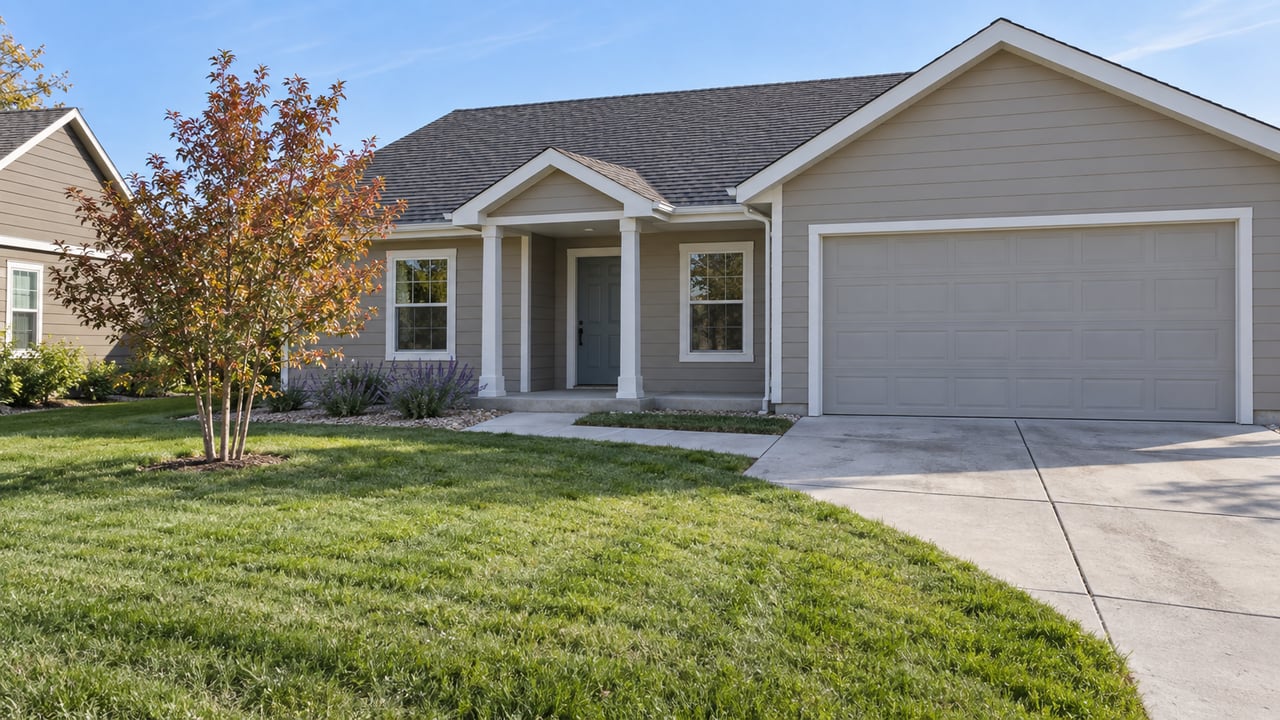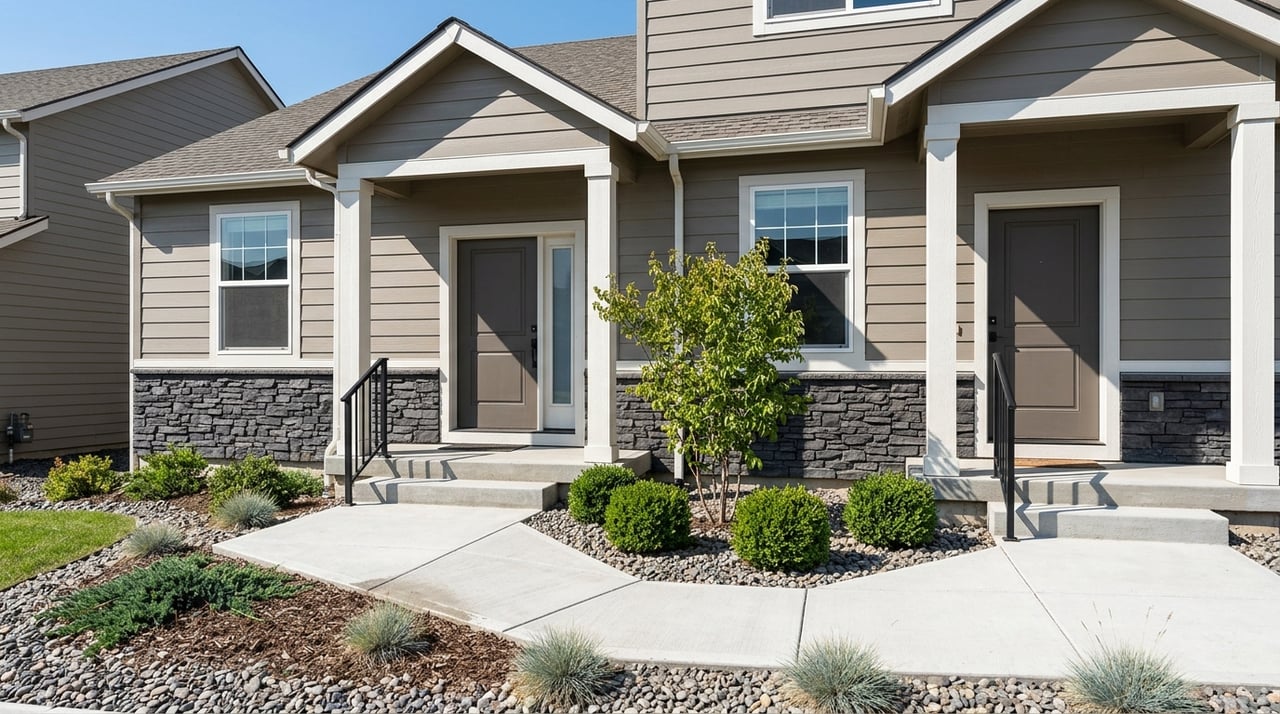
Tired of spending weekends on yard work and big home projects? If you want a lock-and-leave lifestyle without giving up Kennewick’s convenience, a condo or townhome could be a smart move. You still get a comfortable home base, but with less maintenance and often a lower price than a detached house.
In this guide, you’ll learn local price bands, where condos and townhomes cluster in Kennewick, what HOA fees typically cover, how financing works, and the key documents to review before you buy. You’ll also get a simple due-diligence checklist and red flags to watch so you can shop with confidence. Let’s dive in.
Why consider attached living
Condos and townhomes can be a great fit if you want more convenience and predictability. Here is a quick look at the tradeoffs.
Pros
- Lower maintenance with exterior care handled by the HOA.
- Often a lower entry price than a detached home in Kennewick.
- Amenities like a pool, clubhouse, or landscaping included.
- Predictable upkeep budgets through monthly dues and reserves.
Cons
- Monthly HOA fees that vary by what is covered.
- Rules for rentals, pets, and exterior changes.
- Financing adds project-level checks for condos.
- You share walls or common areas with neighbors.
What condos cost in Kennewick
Detached homes in Kennewick were around the low-to-mid $400Ks in early 2026, with a typical median near $445,000. Many condos here list in the $200,000 to $300,000 range, while many townhomes cluster around $300,000 to $420,000 depending on size, age, and location. Attached housing is often the more affordable path into the market. Your actual budget will depend on HOA dues and what they cover.
Inventory for condos and townhomes across the Tri-Cities tends to be smaller than single-family options. That means you may see fewer choices at any given time and should be ready to move when the right fit hits the market.
What drives price
- Size and layout, especially number of bedrooms and bathrooms.
- Age and condition of the building or community.
- Location within Kennewick, including proximity to parks and shopping.
- Views or special settings, like river or park corridors.
- Parking and storage, especially garages and private patios.
Where condos and townhomes cluster
You will find attached options sprinkled across Kennewick, with key pockets that offer different styles and amenities:
- West Kennewick near W. Kennewick Ave and Klamath Ave. Older condo communities with features like a pool, clubhouse, and shared parking. Examples include Chateau 42 and Highlands Village.
- South Kennewick around 10th Ave and S Cedar St. Newer townhome-style communities with HOA landscaping and house-like layouts. Cedar Village is a common example in this area.
- Canal Drive and near Columbia Park. Smaller condo buildings with river or bridge views such as Palisades. Some river-adjacent properties may involve flood or insurance considerations for certain units, so confirm early with your lender and insurer.
- Southridge and the Columbia Center area. Newer townhome clusters in planned communities built for low-maintenance living close to services and commuting routes.
- Additional scattered complexes. Country Squire and other established communities offer a range of sizes and monthly dues based on what the HOA maintains.
If you are balancing space with convenience, tour a few different pockets to compare fee structures, parking, and daily commute routes.
What HOAs cover and why it matters
HOA coverage varies widely by community, and the scope drives the size of your dues. Common items include exterior and roof maintenance, landscaping, paths and parking areas, a pool or clubhouse, insurance on common elements, trash and snow removal, and sometimes water or central hot water. Washington law for common-interest communities is set by the Washington Uniform Common Interest Ownership Act, or WUCIOA, found in RCW 64.90.
Two documents are essential when you evaluate an HOA:
- The resale certificate. Sellers must deliver a resale certificate before you sign a purchase agreement. It summarizes dues, special assessments, litigation, insurance, and other disclosures required by RCW 64.90.640. Read this closely with your agent.
- The reserve study. A reserve study is a 30-year forecast of major repairs and replacements, with funding recommendations. Washington law addresses reserve studies and reserve accounts in RCW 64.90. A weak reserve plan often leads to special assessments later.
Condo vs townhome maintenance
- Condos. You usually own the interior from the walls in. The HOA typically maintains the structure, roof, exterior, landscaping, and shared systems. You pay monthly dues that support these services and long-term reserves under RCW 64.90.
- Townhomes. Some townhomes are legally condos with exterior items handled by the HOA. Others are fee-simple townhomes where you own and maintain the structure and land, with a simpler HOA that handles shared landscaping or rules. The governing documents define the unit boundaries and who pays for roofs, siding, and driveways. Confirm these details before you commit.
Insurance differs as well. Condo owners often carry an HO-6 (walls-in) policy while the association carries a master policy for common elements. Fee-simple townhome owners usually carry an HO-3 policy that covers the structure and lot. Ask for the HOA’s master insurance declarations and deductible so you know your personal coverage needs.
Financing basics for condos and townhomes
Financing attached homes can be straightforward, but condos add a project review step that most detached homes do not.
- Conventional loans and project eligibility. Many lenders follow Fannie Mae and Freddie Mac standards. Condominiums may be reviewed for owner-occupancy percentage, reserve funding, HOA delinquencies, insurance, and litigation history. Fannie Mae’s condominium project guidance explains these checks in detail. Review the Fannie Mae condo project requirements with your lender.
- FHA and VA loans. FHA and VA have separate approval processes. FHA allows a single-unit approval pathway in certain cases and maintains a lookup tool. You or your lender can search the HUD condominium approval list to check status.
- Non-warrantable projects. If a community does not meet agency rules or is not FHA or VA approved, you may still be able to finance with a larger down payment, a different loan program, or a portfolio lender. Ask your lender to check project eligibility early so you can plan timing and terms.
Your buyer due-diligence checklist
Before you remove your HOA or financing contingencies, request and review:
- Resale certificate based on the association’s records. It must disclose dues, delinquencies, special assessments, litigation, and insurance as defined in RCW 64.90.640.
- Current-year operating budget and recent financial statements. Look for deficits or deferred bills. Reserve study requirements and budgeting standards are addressed in RCW 64.90.
- Most recent reserve study and current reserve balance. Confirm update timing and who prepared the study under RCW 64.90.
- Board meeting minutes for the last 12 months. Scan for special assessments, big repairs, or litigation discussions. Litigation must be disclosed per RCW 64.90.640.
- HOA’s master insurance policy declarations. Note coverage limits, what is excluded, and who pays the deductible for common-element damage.
- Written litigation statement. Ask if there are active or recent claims against the HOA or developer. Disclosures are part of the resale package under RCW 64.90.640.
- Management agreement and any developer-transition details. Confirm whether the developer still controls the board and how that affects decisions under RCW 64.90.
- Owner-occupancy rate and rental policy. These affect Fannie Mae and FHA eligibility. Review with your lender alongside the Fannie Mae project standards.
- Statement of planned capital projects and any pending special assessments. Compare to the reserve study to gauge risk, as outlined in RCW 64.90.
Costs to budget beyond your mortgage
- HOA dues. Kennewick listings show a wide range. You may see dues as low as about $85 per month in simpler townhome HOAs, around $167 to $200 per month for modest coverage, and $400 or more per month where the HOA covers more utilities, amenities, and a stronger master insurance policy. Always match the fee to the coverage in the resale certificate and budget.
- Property taxes. Benton County collects property taxes in two installments each year. Review the county’s process and confirm the exact amount for your unit through the Benton County property tax portal. Build taxes into your monthly payment if you escrow.
- Insurance. Condo buyers usually need an HO-6 policy that covers personal property, interior finishes, and loss assessment. Townhome buyers in fee-simple communities usually carry an HO-3 policy that insures the structure and lot. Your exact coverage should reflect the HOA’s master policy and deductibles.
- Special assessments. Older complexes with inadequate reserves are at higher risk for special assessments to fund big repairs. Reserve study and litigation disclosures under RCW 64.90 help you gauge this risk before you buy.
Red flags to watch
- Little or no reserve fund or an outdated reserve study. This often signals future special assessments.
- High HOA delinquency rates. Many lenders review delinquency thresholds for project eligibility under agency standards like Fannie Mae’s condo project rules.
- Active or recent litigation against the HOA or developer. Required disclosures are in the resale certificate per RCW 64.90.640.
- Ongoing construction or developer control in newer phases. This can affect financing and HOA stability.
- FHA or VA approval not available. Check the HUD condo lookup or talk with your lender early.
How a local guide helps you win
Every condo or townhome community in Kennewick plays by a slightly different rulebook. The right advisor helps you compare apples to apples: dues versus coverage, master insurance versus your policy, floor plan value versus resale demand, and financing fit versus timing. You should also have an advocate to gather and review the resale certificate, reserve study, minutes, and insurance, then structure your offer to account for upcoming projects or assessments.
If you want a low-maintenance home you feel great about, partner with a local who knows the complexes, the documents, and the lenders who can fund them. For clear guidance and fast, responsive service across the Tri-Cities, connect with Gavin Vargas to start your search.
FAQs
What is a typical HOA fee for Kennewick condos?
- Fees vary widely by coverage and amenities. You may see dues around $167 to $200 per month in simpler setups, and $400 or more where utilities, amenities, and strong master insurance are included. Always compare the fee to the budget and resale certificate.
How does FHA approval work for Kennewick condos?
- FHA keeps a condo approval list and allows single-unit approvals in some cases. Your lender can check status and timing using the HUD condominium lookup and advise if extra steps are needed.
What does a Washington resale certificate include?
- The resale certificate must disclose dues, delinquencies, special assessments, insurance, and litigation details required by RCW 64.90.640. Review it carefully with your agent before committing.
Are river-adjacent Kennewick condos in flood zones?
- Some buildings near river corridors may have units with flood or insurance considerations. Lenders and insurers can confirm floodplain status and required coverage for a specific address. Ask early so you can factor it into your budget.
Can you rent out a Kennewick condo or townhome?
- It depends on the HOA’s governing documents. Check rental caps, minimum lease terms, and owner-occupancy ratios. These rules can also impact financing eligibility under standards like Fannie Mae’s project requirements.
What inspections should you order for a condo or townhome?
- Get a standard home inspection. For condos, focus on interior systems and read HOA documents for building systems. For fee-simple townhomes, consider a roof and exterior review, plus a sewer scope if applicable. Always align with the HOA’s maintenance responsibilities.