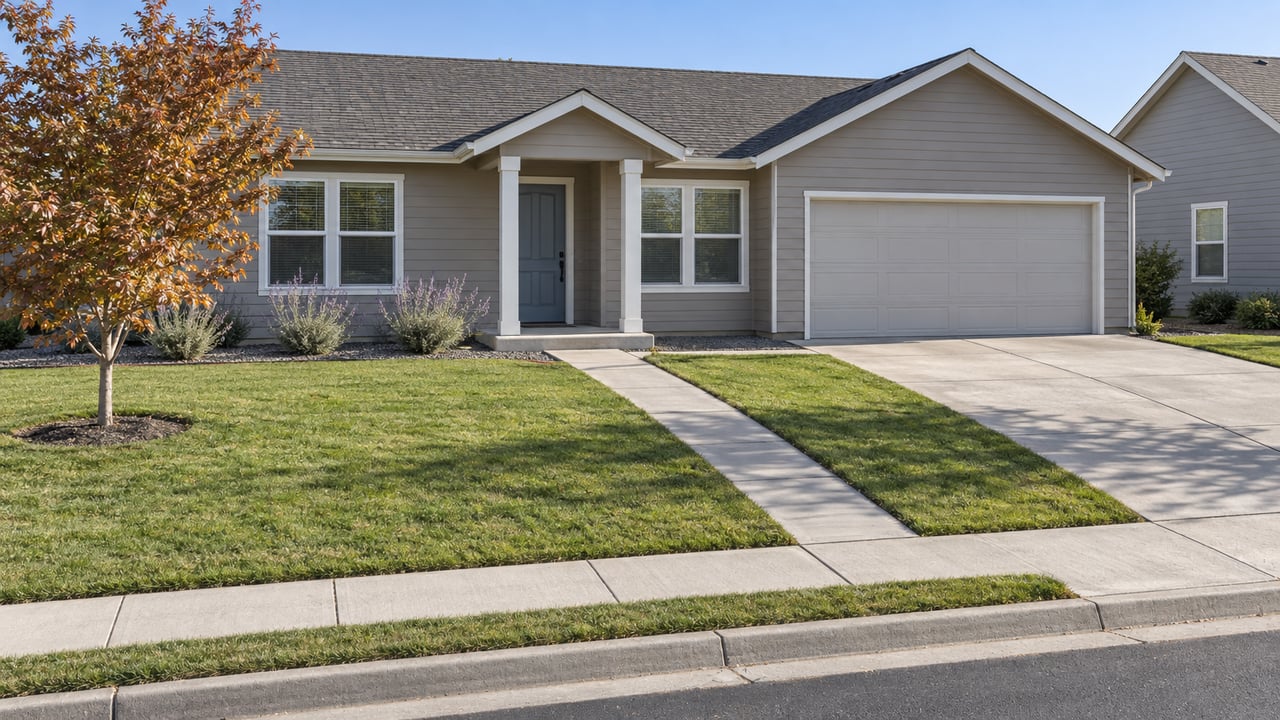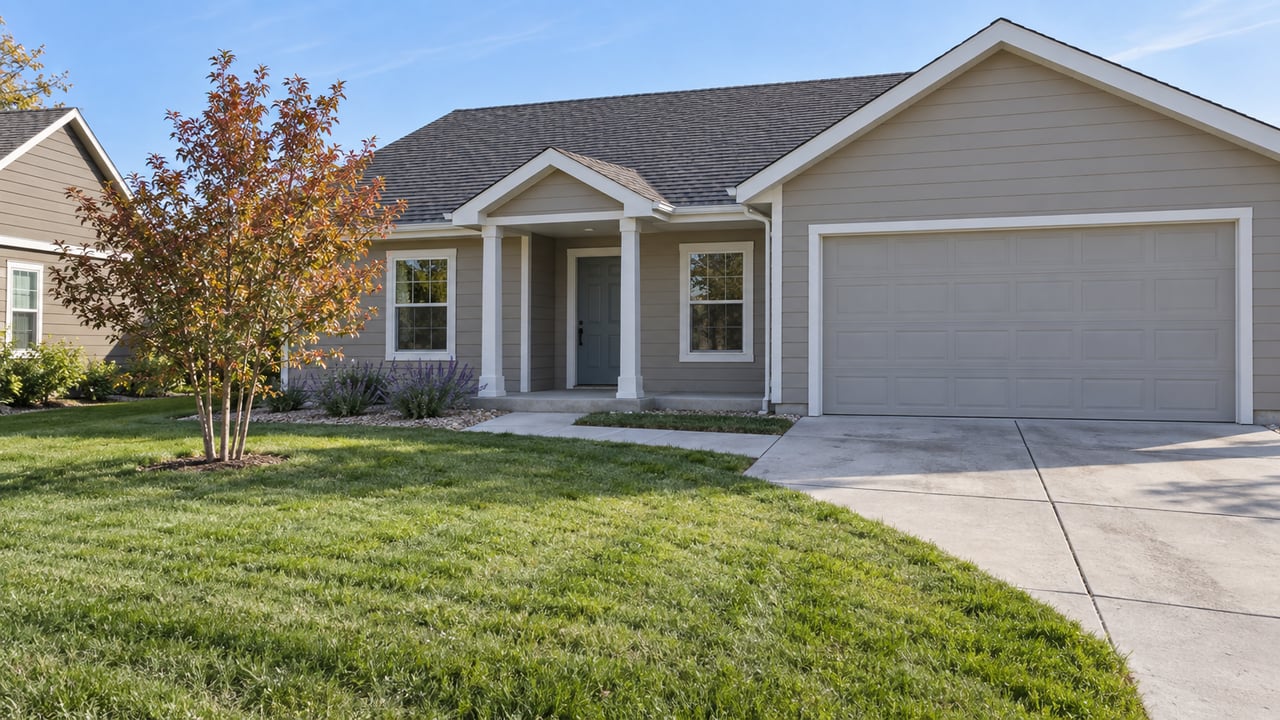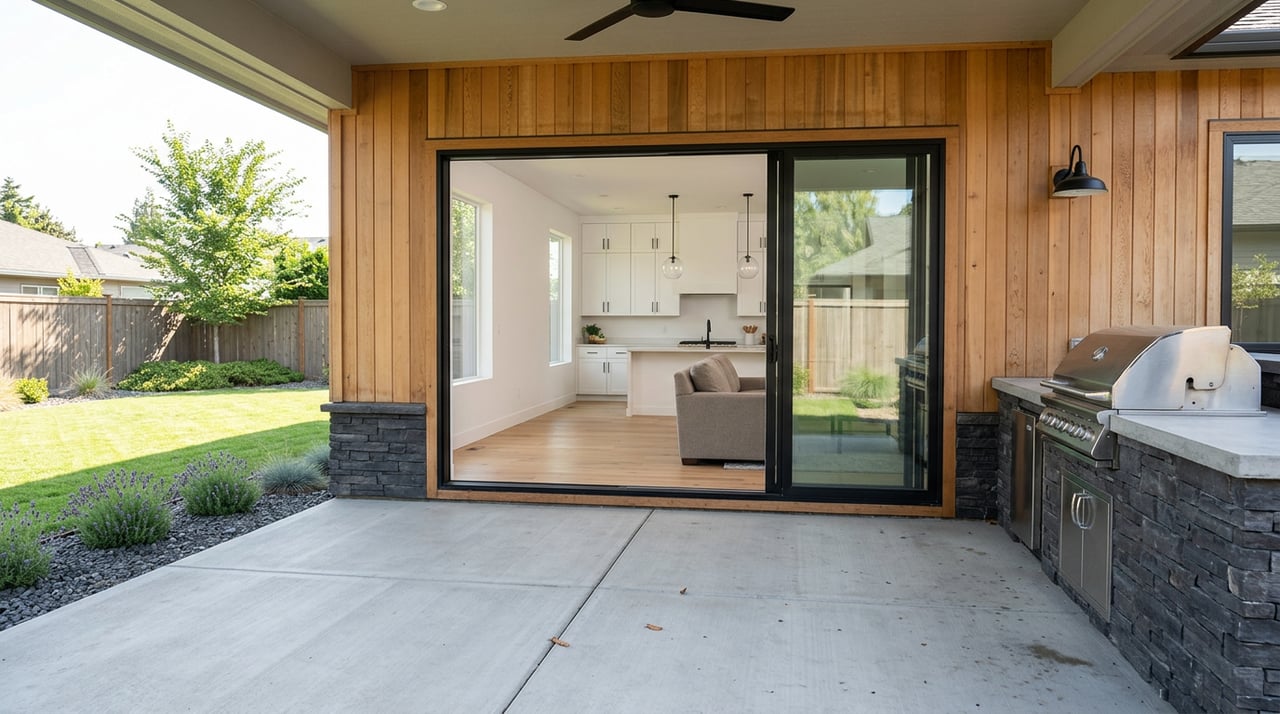
Trying to move up or downsize in Richland without juggling two homes at once? You are not alone. The Tri-Cities market has shifted toward a more balanced pace, which opens up more ways to coordinate your sale and purchase. In this guide, you will learn the four main strategies locals use, realistic timelines, and negotiation tips that fit Richland. Let’s dive in.
Richland reality: timing is flexible
The Tri-Cities finished 2025 with a more balanced market, not the hyper-competitive conditions some larger metros saw. That gives you workable options like contingencies, rent-backs, and short-term financing if you plan carefully. For a regional backdrop, recent reviews point to modest appreciation and a steadier pace across the area. See the Northwest MLS annual review for trend context and the Tri-Cities business outlook for local signals on demand and inventory shifts. NWMLS’s 2025 review and the Tri-Cities housing outlook both frame this shift.
Local moves also follow employer timelines. The Tri-Cities economy is influenced by PNNL, Hanford-related contractors, healthcare, and energy. Seasonal and project-driven moves can affect when buyers are most active. Explore the TRIDEC fact sheet for a quick economic snapshot.
Four paths that work in Richland
1) Sell first, then buy
How it works: you list your home, accept an offer, and close. You then use your sale proceeds to fund the next purchase. This avoids carrying two mortgages and keeps financing simple. You may need short-term housing or a brief rent-back while you shop.
Pros: lowest financial risk, protects your equity, clean financing.
Cons: you might move twice, and the perfect next home could appear before you close.
2) Make a contingent offer
How it works: your purchase depends on selling or closing your current home. Sellers often accept these if your home is already listed or under contract. Many include a kick-out clause that lets the seller continue to show the property and gives you 24 to 72 hours to remove your contingency if a stronger offer appears. See the NAR guide to contract contingencies for definitions and common terms.
Pros: lets you write offers without a bridge loan, aligns your sale and purchase.
Cons: lowers your competitiveness and you can be “kicked out” if another buyer writes a non-contingent offer.
3) Use a short rent-back after closing
How it works: you sell and close, then stay in the home for a defined period under an occupancy agreement with rent, a deposit, and clear move-out terms. In practice, many rent-backs are short, commonly 30 to 60 days. Longer stays can trigger lender or tax issues, so always confirm limits with the buyer’s lender first.
Pros: you receive your proceeds before you move, which helps you buy without a gap.
Cons: the buyer becomes a temporary landlord and both sides need the right insurance and protections.
4) Buy first with short-term financing
How it works: you use a bridge loan, HELOC, or a buy-before-you-sell program to purchase first, then sell your current home and pay off the short-term funding. Bridge loans are purpose-built and may carry higher rates and fees. HELOCs are flexible but variable-rate. Compare total costs and timelines. See overviews from Chase on bridge loans and Better.com’s bridge vs HELOC comparison.
Pros: most competitive offer structure, no rent-back needed.
Cons: added costs and underwriting, and you must qualify to carry short-term debt.
Quick compare: pros and watchouts
| Strategy | How it helps | Watch out for |
|---|---|---|
| Sell first | Cleanest financing, lowest risk | Possible double move, tight home search window |
| Contingent offer | Aligns sale and purchase, avoids bridge costs | Less competitive, risk of kick-out |
| Rent-back | Access sale proceeds before moving | Landlord-tenant logistics, lender limits on length |
| Buy first with bridge/HELOC | Strongest offer terms, simpler move | Fees, variable rates, carrying two payments briefly |
How timing actually works in Richland
Most financed purchases close in about 30 to 45 days, with industry averages near 42 days depending on appraisal and underwriting. The lender must also deliver a Closing Disclosure at least three business days before closing under the TRID rule, which can add time if terms change late. See this breakdown of typical closing times from LegalClarity and the TRID summary at the CFPB’s Know Before You Owe.
Sample timeline A: Sell first (lower risk)
- Day −60 to −30: prep, photos, pricing, and list your home.
- Day 0: accept an offer and open escrow.
- Day 7 to 21: inspection period and any repair or credit talks.
- Day 14 to 35: buyer’s appraisal and underwriting on your sale.
- Day 30 to 45: close on your sale. Receive proceeds, then start your purchase.
- Closing week: lender issues Closing Disclosure at least three business days before any financed close.
Sample timeline B: Buy with a sale contingency and kick-out
- Day 0: submit a contingent offer with a defined window to sell and close, often 30 to 45 days.
- While pending: seller may continue to show. If a stronger offer appears, the seller can trigger the kick-out, giving you 24 to 72 hours to remove the contingency or step aside.
- Strength boosters: full preapproval, proof your home is on market or under contract, meaningful earnest money, and shorter contingency periods where feasible. See the NAR contingency guide for how these clauses function.
Sample timeline C: Buy first with a bridge or HELOC
- Day −30 to −7: secure preapproval for a bridge or HELOC and collect docs.
- Day 0: close on the new home. Move on your schedule.
- Day +1 to +60: list your former home. When it sells, use proceeds to pay down or pay off the bridge or HELOC.
- Compare total fees and carrying costs to the cost and stress of a second move.
Key negotiation points in the Tri-Cities
- Sale contingency proof: expect to show full preapproval, a live listing or pending sale on your current home, and earnest money. Sellers may ask for tighter timelines. See NAR’s consumer guide for common terms.
- Kick-out clause basics: the seller can continue to market, then give notice that starts a 24 to 72 hour clock for you to remove the contingency or release the home. Your agent should prep you for fast decisions.
- Rent-back terms to define: daily rent and deposit, utilities, insurance, exact move-out date, per-day holdover fee, and an escrow or holdback to ensure performance. Always clear acceptable rent-back length with the buyer’s lender before you rely on it.
- Possession timing in Washington: possession is negotiable and must be written into the contract. Some local forms reference a default possession time on closing day, but you should confirm the exact timing with your agent and in the contract.
Money and risk checks
- Double-mortgage risk: if you buy first, model a conservative carry period and compare it to bridge fees and HELOC costs. Short, planned overlap can be worth the convenience if the math works.
- Appraisal risk: if your target home appraises low, you may need extra cash or fresh negotiations. Learn how appraisal contingencies and gap strategies work in this overview on appraisal shortfalls.
- Rate and fee clarity: bridge loans and HELOCs have different costs and structures. Start early with your lender and compare options using primers like Chase’s bridge loan guide and Better.com’s comparison.
- TRID timing: any last-minute loan changes can reset waiting periods. Build in a buffer so you are not forced into a rushed move.
Quick checklist to stay on track
- Get full preapproval and ask directly if you can carry two payments or qualify for a bridge or HELOC.
- Choose your path: certainty-first (sell first), or convenience and offer strength (buy first or rent-back).
- If writing a contingent offer, include proof your home is listed or under contract and be ready to shorten timelines.
- If you need a rent-back, negotiate rent, deposit, insurance, utilities, and a per-day holdover fee. Confirm lender rules on length before accepting.
Questions to ask your lender about bridge and HELOCs
- What is my maximum combined monthly payment if I carry both homes briefly?
- How do bridge loan fees and rates compare with a HELOC for my scenario?
- Can the bridge be interest-only and for how long?
- What happens if my old home takes longer than 60 to 90 days to sell?
- Are there prepayment penalties or reappraisal requirements?
How a kick-out clause works in plain language
- The seller accepts your contingent offer and continues to show the home.
- If a stronger, non-contingent offer arrives, the seller notifies you.
- You typically have 24 to 72 hours to remove your home-sale contingency or let the other buyer proceed.
- Plan your decision framework with your agent in advance so you can act inside that window. Review NAR’s explainer on contingencies for context.
Ready to make a smooth move?
If you want a predictable, low-stress plan tailored to Richland’s market, you will benefit from local pricing, clear timelines, and strong negotiation. That is where professional guidance pays off. Reach out to Gavin Vargas to map your best path and align your sale and purchase with confidence.
FAQs
How long does a typical mortgage closing take in Richland if I am buying and selling at once?
- Most financed closings finish in about 30 to 45 days, with industry averages near 42 days depending on appraisal and underwriting, according to LegalClarity’s timeline guide.
What is a kick-out clause and how could it affect my contingent offer?
- It allows the seller to continue showing the home and, if a stronger offer appears, gives you a short window, often 24 to 72 hours, to remove your home-sale contingency or step aside; see the NAR consumer guide for details.
How long can a seller stay after closing with a rent-back in Richland?
- Many rent-backs are short, commonly 30 to 60 days, with longer stays creating lender and tax complications, so always confirm acceptable length with the buyer’s lender in advance.
Should I sell first or buy first in a balanced Tri-Cities market?
- If you value financial safety and simplicity, selling first is often best; if you need a seamless move and strongest offer terms, buying first with a bridge or HELOC or using a short rent-back can be worth the added cost.
What is the TRID three-day rule and why does it matter?
- Lenders must deliver a Closing Disclosure at least three business days before closing, and late changes can restart the clock, so build in time for this requirement; see the CFPB overview.