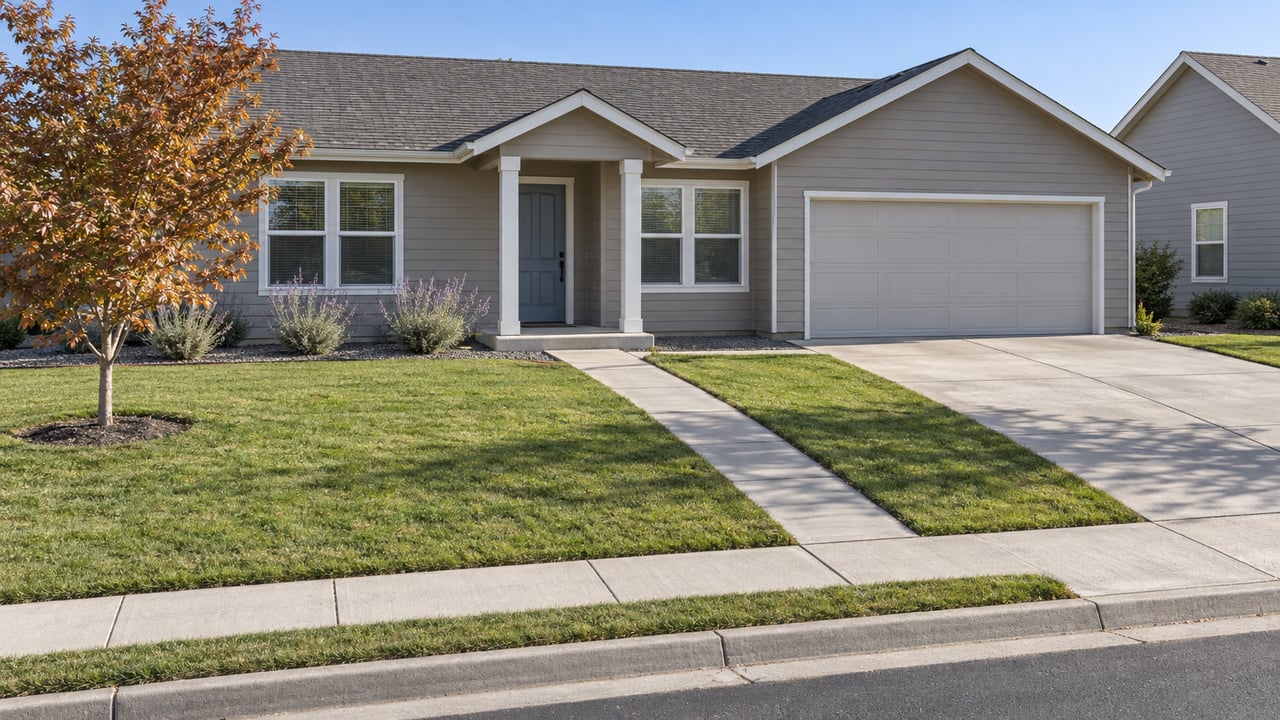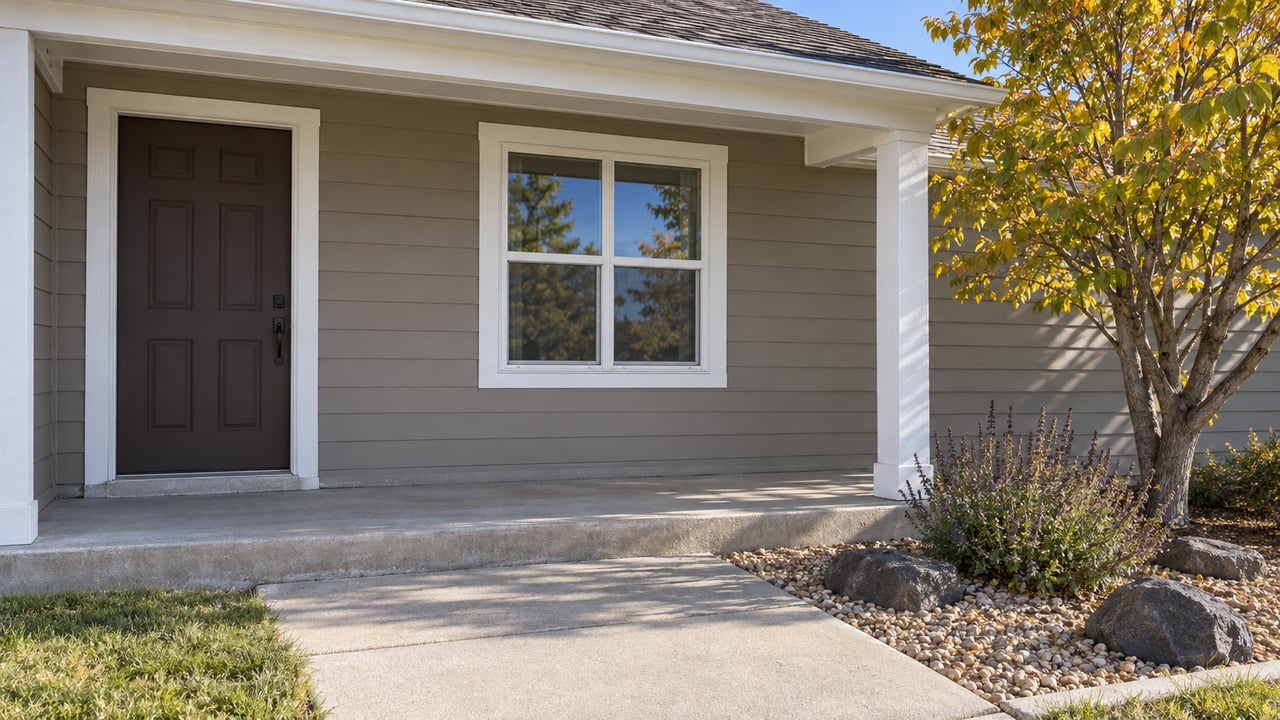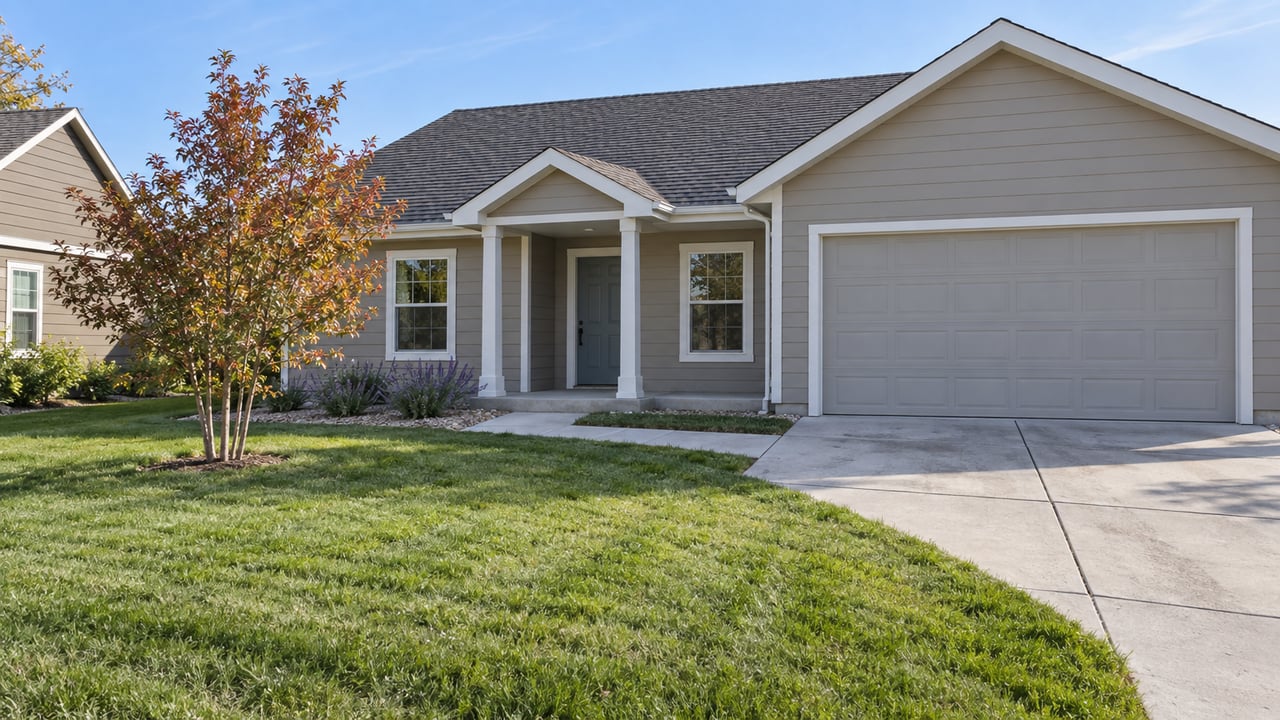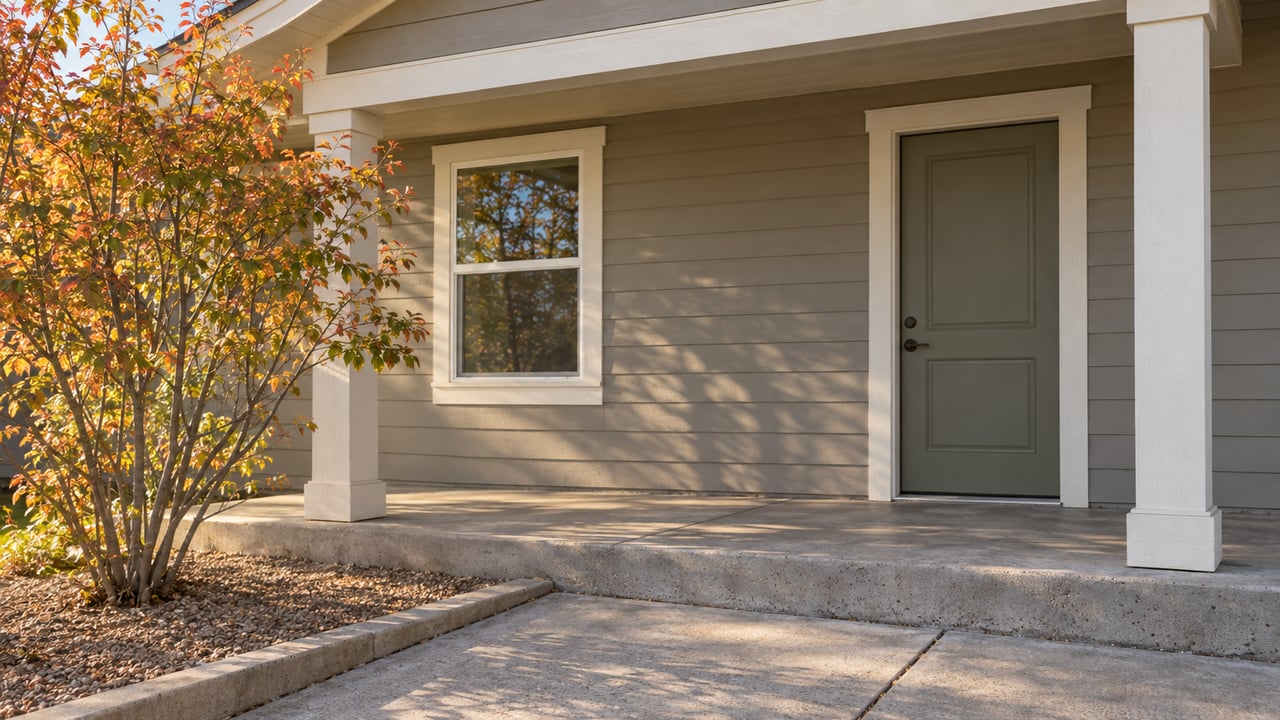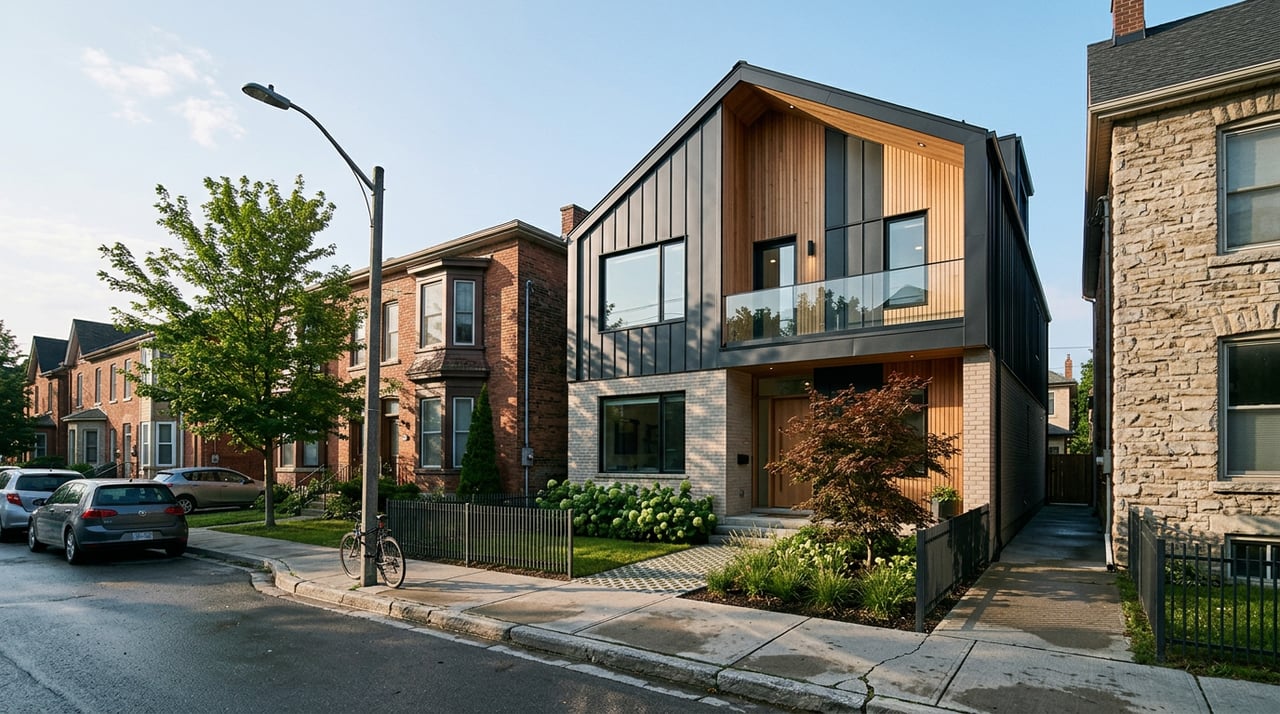
Every buyer who tours a new build at Vista Field asks about the chemicals. It's a fair instinct. The 103-acre site sits on Kennewick's old municipal airport, and "former airport" plus "new construction" is exactly the combination that makes a cautious buyer want a paper trail.
Here's the thing: that question already has an answer, and it's a settled one. The question that doesn't have an easy answer yet is the one almost nobody asks, and it matters more to your closing timeline than any soil report ever will.
The Cleanup That's Already Closed
In 2025, testing tied to construction activity on one privately purchased lot turned up per- and polyfluoroalkyl substances, the "forever chemicals" once common in firefighting foam, in soil at Vista Field. The Port of Kennewick, which owns the site and acts as its master developer, paused work and brought in environmental consultant Landau Associates to test all 47 lots in the initial development area. The result: PFAS showed up in exactly one spot, an area roughly five feet across on Lot 31, sitting two to three feet deep. Everything else came back clean.
The Port published a cleanup plan for public comment in January 2026, with a comment period running through February 10 and a public meeting the same day at the Port's offices on Clover Island Drive. In late February, crews removed about two dump trucks of soil from that single location, backfilled the hole with clean fill, and retested. No PFAS remained. On June 11, 2026, the Washington Department of Ecology issued a formal "no further action" letter, the state's official sign-off that no additional cleanup is required anywhere at Vista Field. Port CEO Tim Arntzen told local media he planned to frame the letter.
That's not a soft resolution. It's a state regulator's written confirmation, on file, that the environmental question is closed. If a listing agent or a seller can't produce or point you to that letter, ask for it, but don't let the search for it become the whole due-diligence process. The bigger variable at Vista Field isn't underground. It's in the calendar.
What "New Construction" Means When the Builder Buys Land Four Parcels at a Time
Most new-construction neighborhoods in the Tri-Cities work the way you'd expect: a developer buys the whole parcel, plats it, and builds out phases on its own schedule. Vista Field doesn't work that way, because the land is still owned by a government entity acting as the master developer, and that developer is releasing land to its builder in installments.
In March 2025, the Port sold four parcels to BlueChart Homes, a partnership between Levi Holmes of Chartwell Land Company and Benjamin Paulus of Blue Fern and Teak Construction, marking what Port officials called the largest land deal in the Port's 110-year history. The Port of Kennewick says the agreement covers up to 300 single-family, attached, and row homes across eight phases. It does not hand BlueChart the whole site at once. The Tri-Cities Business News reported that the deal calls for the Port to sell four additional parcels roughly every two months, contingent on the Port delivering its own infrastructure commitments first. The first 32 homes were slated for a block just west of the Port's initial development area.
That structure means the "neighborhood" pictured in a builder's rendering may be, at any given moment, one phase deep into an eight-phase rollout. Streets, a linear park, a waterway feature, and public plazas already exist in the initial development area, backed by roughly $4.9 million the Port had invested by early 2025. But a lot in phase three doesn't inherit phase one's finished feel just because it shares a name and a website. It inherits whatever's actually been built by the time you close.
There's a related wrinkle worth knowing before you write an offer: the Port agreed to pause its own marketing of single-family lots at Vista Field through BlueChart's first five phases. Starting with phase six, BlueChart holds a right of first refusal on additional development. In practice, that means the builder selling you a house today is very likely the same one building next door in two years, for better or worse consistency.
The Timeline the Port Was Working Toward
As of an April 2025 update from the Port, here's the build-out schedule officials described, measured from the deal's signing:
| Milestone | Target |
|---|---|
| Feasibility and collaborative design review | 3 months |
| Platting, permitting, bidding, infrastructure prep | 13 months |
| Lots ready for construction | End of June 2026 |
| Building permits issued | Around July 2026 |
| First homes under construction | As early as summer 2026, sooner for the initial four lots |
That's a projection, not a guarantee, and phased public-private developments like this one slip for reasons that have nothing to do with the builder's competence: utility tie-ins, weather, permitting queues, or simply a Port commission meeting getting rescheduled. If you're looking at a Vista Field lot today, ask specifically which phase it falls in and whether that phase's infrastructure has actually been delivered, not just scheduled. The difference between "platted" and "poured" is the difference between moving in on time and moving in six months late.
The Covenants Come From a Port Commission, Not a Homeowners' Board
In a typical Tri-Cities subdivision, the rules governing what you can build, how big your yard is, and what your house can look like come from a homeowners' association and its recorded CC&Rs. At Vista Field, those rules trace back to a master plan adopted by a public port commission, and they're more specific than most HOA documents you'll ever read.
BlueChart is contractually required to offer at least 12 distinct home designs with 36 total variations, all subject to Port review before construction. Lots run smaller than the Tri-Cities norm by design. Port officials have been candid that this isn't for everyone. Fox 41 Yakima reported that, as part of the land sale terms, 15 percent of the sale cost is set aside specifically to fund additional public gathering spaces inside the neighborhoods.
None of this is a red flag. It's a different set of trade-offs than a standard subdivision, and it's worth reading the actual master plan documents, not just the sales brochure, before you commit. Ask your agent or the builder for the governing design standards, not just the HOA-style dues sheet, because at Vista Field those are two different documents with two different levels of authority behind them.
What This Means If You're Actually Writing an Offer
A few things worth confirming before earnest money changes hands:
- Ask for the Department of Ecology's no further action letter by name. It exists, it's public, and having it in your file closes the environmental question cleanly.
- Ask which development phase your specific lot falls under, and whether the Port has delivered the infrastructure commitments tied to that phase.
- Ask whether your builder is BlueChart or another developer working outside the paused phases, since the marketing pause only applies to Vista Field's single-family lots during BlueChart's first five phases.
- Ask for the master plan design standards document, not just a builder spec sheet, since design covenants here run through Port review rather than a private HOA.
- If timing matters to you, ask for the current status against the original schedule, not the schedule itself. Projected dates from 2025 are a starting point, not a closing date.
None of this should scare a buyer off. Vista Field sits close to Columbia Center mall, Three Rivers Convention Center, and Toyota Center, with the Vista Entertainment District and Lawrence Scott Park built into the connectivity plan. The first businesses on site, Kuki Izakaya and Blueberry Bridal, opened in spring 2026. The point is simpler: know what phase you're buying into, because at Vista Field, that number matters more than the address.
A Few Quick Questions
Is the PFAS issue something a lender or title company will flag at closing? The Department of Ecology's no further action letter, issued June 11, 2026, is the kind of document title companies and lenders look for precisely because it closes the environmental question. Once it's on file, it typically doesn't reopen unless new information surfaces elsewhere on the site.
Will construction noise or unfinished lots next door affect an early move-in? Possibly, depending on which phase is active around you at the time. This is exactly why confirming your lot's phase and the status of neighboring parcels matters more here than in a finished subdivision.
Does the Port still own land near my lot after I close? Likely yes, at least temporarily. The Port continues to hold and release parcels in stages, so land near an early-phase home may remain Port-owned and unbuilt for a period after you move in.
If you're weighing a Vista Field lot against something more established elsewhere in Kennewick, or you just want someone who's been tracking this development since the first shovel hit dirt, Gavin Vargas can walk you through exactly what phase a specific address falls in and what that means for your timeline. Work With Gavin before you write the offer, not after.
This article is general information, not legal, tax or financial advice. Consult a qualified professional about your situation.