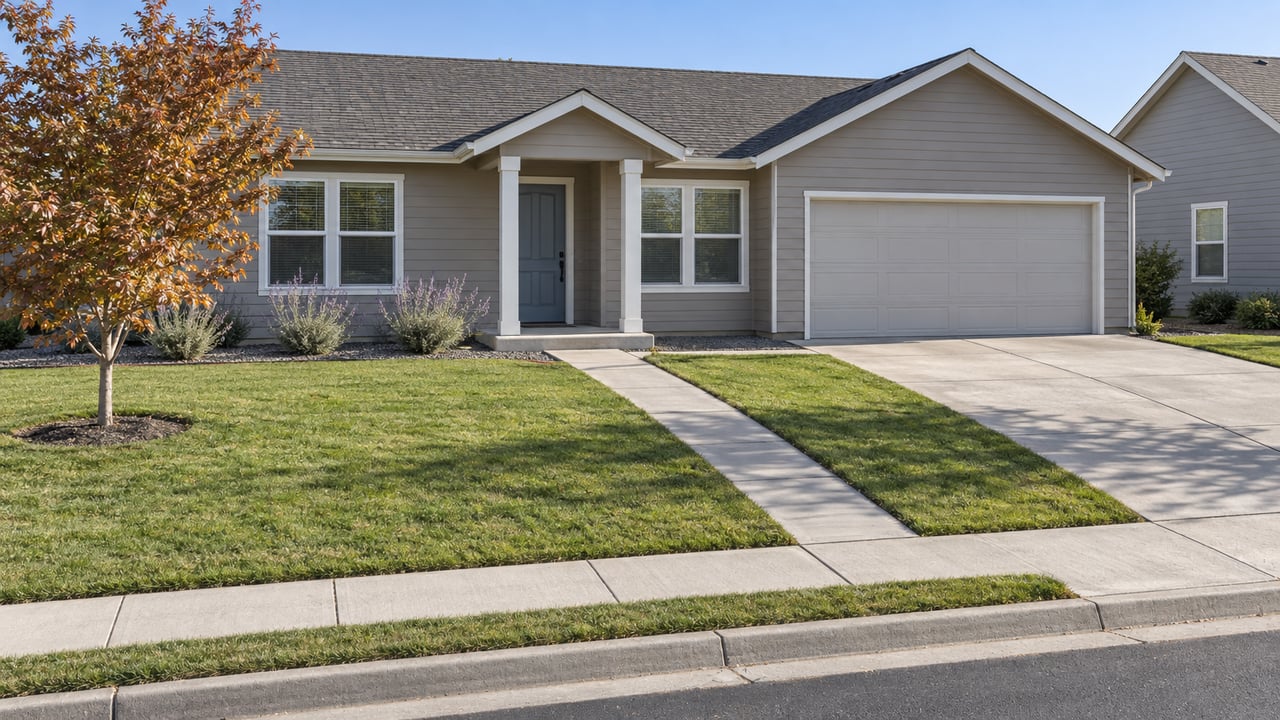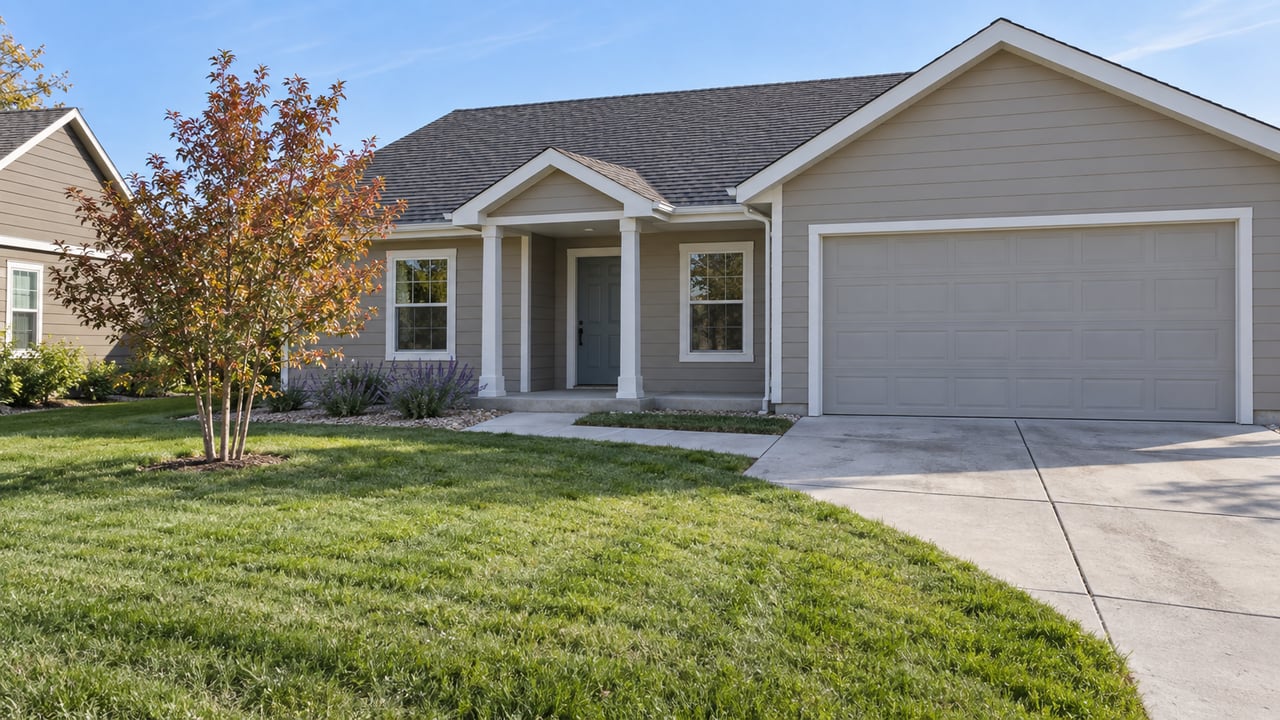
Selling a rental in Pasco can feel more complicated than selling a home you live in yourself. You may be balancing tenant rights, showing access, repair decisions, disclosure deadlines, and a market that may not move overnight. The good news is that with a clear plan, you can reduce surprises and protect your timeline. Here’s how to approach a Pasco rental sale step by step. Let’s dive in.
Start With Pasco Market Timing
Pasco is not an instant-sale market, so planning matters. Redfin reported a median sale price of $418,000 in March 2026, with a median 78 days on market, and described Pasco as somewhat competitive.
For you as a rental owner, that means the sale timeline should account for more than just listing day. You may need time for tenant communication, written notices, access coordination, cleaning, light repairs, photos, negotiations, and closing.
It also helps to separate tax value from market value. Franklin County’s Assessor notes that one individual sale does not automatically establish assessed value, so your property’s assessed value and likely listing price are not the same thing.
Audit The Lease First
Before you think about photos or pricing, review the lease and tenant file. This gives you the facts you need to choose the right sale strategy and avoid last-minute issues.
At minimum, confirm these items:
- Whether the property will be sold tenant-occupied or vacant
- The lease start and end dates
- Where the security deposit is held
- Whether the home was built before 1978
- Any current access or communication issues with the tenant
This early review matters because your showing plan, possession timeline, and disclosure obligations all depend on it. A clean file also makes it easier to answer buyer questions with confidence.
Choose Your Sale Path Early
One of the biggest decisions is whether you want to sell with the tenant in place or deliver the home vacant. Each path can work, but each comes with different timing and buyer expectations.
If you plan to sell tenant-in-place, the home can still be marketed while occupied. If you plan to deliver vacant possession, you need to make sure your notice strategy matches Washington law and the actual facts of the tenancy.
Waiting until the home is already on the market to solve occupancy questions can create avoidable stress. It is usually better to decide your path early, then build the listing timeline around it.
Know Washington Showing Rules
Washington law gives tenants meaningful protection during the sale process. Except for emergencies or when notice is impracticable, a landlord must generally give at least two days’ written notice before entry and may enter only at reasonable times.
For showings to prospective or actual purchasers, the tenant must not unreasonably withhold consent when you give at least one day’s notice. The law also says the landlord may not excessively exhibit the unit.
For you, this means showing access should be planned, respectful, and documented. A loose approach can slow momentum, frustrate buyers, and strain the landlord-tenant relationship.
Tips For Smoother Occupied Showings
- Set expectations with the tenant early
- Use clear written notice every time required
- Offer showing windows at reasonable times
- Group showings when possible to reduce disruption
- Make sure the home is cleaned and photo-ready before active marketing
A strong showing plan can help preserve buyer interest without creating unnecessary friction. In a market where homes may sit for weeks, consistency matters.
Understand The 90-Day Notice Rule
If you want the tenant out so you can sell a single-family residence, Washington’s just-cause statute includes a specific path. The tenant may be required to leave if the owner elects to sell and gives at least 90 days’ advance written notice of the end date.
That rule comes with an important condition. Under the statute, the owner is considered to have elected to sell only when the home is actually marketed within 30 days after the tenant vacates.
The statute also creates rebuttable presumptions against a real intent to sell if the home is not listed or is withdrawn too quickly. In simple terms, if you use this path, your follow-through matters.
Prepare The Property For Buyers
Once your occupancy plan is clear, focus on presentation. Pasco’s median 78-day marketing window suggests you have time to improve how the property shows, and those details can matter.
For many rentals, the best pre-listing steps are practical rather than dramatic. Deep cleaning, minor repairs, landscaping touch-ups, and professional photos can improve buyer perception and help your home compete more effectively.
A vacant property often needs stronger presentation because buyers only see the home itself. An occupied property may rely even more on scheduling, cleanliness, and a showing process that feels organized.
Focus On High-Impact Prep
- Repair obvious wear and tear
- Refresh landscaping and curb appeal
- Schedule a deep clean
- Address lighting and basic maintenance issues
- Plan professional listing photos after the home is ready
This is where a data-driven listing strategy helps. You want the home to enter the market looking intentional, not rushed.
Get Disclosures Ready Early
A rental sale can slow down quickly if paperwork is not ready. In Washington, the seller disclosure statement is generally required within five business days after mutual acceptance unless waived, and the buyer then generally has three business days to accept or rescind.
If the home was built before 1978, federal lead-based-paint disclosure rules also apply before sale or lease. That means you should verify the construction year early, not after you are already under contract.
Putting these materials together ahead of time can reduce delays and help you move more confidently once an offer comes in. It also gives buyers fewer reasons to pause during escrow.
Handle Security Deposits Correctly
At closing, the seller’s role as landlord does not just disappear. If landlord status transfers to another owner during the tenancy, the security deposit funds held in trust must be transferred to an equivalent trust account of the successor landlord.
The successor landlord must then promptly notify the tenant of the transfer and the new depository. This is one of those details that can get overlooked if the closing process is treated too casually.
For you, the takeaway is simple: have deposit records organized well before closing. Clean documentation helps protect everyone and keeps the transition more orderly.
Market To The Right Buyer Pool
A tenant-in-place sale can appeal strongly to some buyers and less to others. In practice, investor buyers often focus on rent, lease timing, and the stability of the tenancy, while owner-occupant buyers often care more about vacancy, presentation, and a clear possession date.
That does not mean one path is always better. It means your pricing, marketing, and showing strategy should reflect the kind of buyer most likely to act on your property.
If the home is occupied, clear records and a smooth access plan can help keep investor and owner-occupant options open. If the goal is vacancy, your timeline needs to be realistic and legally sound from the start.
Avoid Common Pasco Rental Sale Mistakes
Most problems in a tenant-occupied sale are predictable. They usually come from timing gaps, missing paperwork, or unclear communication.
Watch for these common issues:
- Underestimating how long tenant access will take
- Listing before the property is truly show-ready
- Missing lead-based-paint disclosure requirements for older homes
- Failing to organize deposit transfer records before closing
- Trying to force a possession date without checking the statute and the lease
The cleaner your documentation and the earlier your tenant communication, the easier it is to keep the transaction moving. That matters in any market, but especially in one where the average sale may take time.
Build A Step-By-Step Sale Plan
If you want the process to feel manageable, break it into stages. A calm, organized plan is often the difference between a smooth transaction and a reactive one.
Here is a practical sequence to follow:
- Review the lease, deposit records, and construction year
- Decide whether to sell occupied or vacant
- Map out any required tenant notices
- Plan repairs, cleaning, and listing photos
- Prepare disclosure materials early
- Launch with a pricing and marketing strategy that fits the likely buyer pool
- Stay organized through contract, closing, and deposit transfer
That kind of structure is especially useful when timing matters. It helps you make decisions with more confidence and fewer last-minute changes.
Selling a rental property in Pasco is very doable, but it usually rewards preparation over speed. When you match your pricing, timeline, paperwork, and occupancy plan to the realities of the local market and Washington law, you give yourself a much better chance of a cleaner sale.
If you want help building a smart listing strategy for your Pasco rental, connect with Gavin Vargas for local guidance, data-driven pricing, and a clear plan from prep to closing.
FAQs
What is the average time to sell a home in Pasco, WA?
- Redfin reported a median 78 days on market in Pasco in March 2026, so you should plan for more than a quick list-and-close timeline.
Can you sell a rental property in Pasco with tenants still living there?
- Yes. A rental can be marketed while tenant-occupied, but Washington rules on notice, reasonable entry times, and showing access still apply.
How much notice do landlords need for showings in Washington?
- For showings to prospective or actual purchasers, Washington law requires at least one day’s notice, and for most other non-emergency entry, at least two days’ written notice is generally required.
Can a Pasco landlord ask a tenant to move out to sell a single-family home?
- Washington law includes a just-cause ground for this, but it requires at least 90 days’ advance written notice and the home must actually be marketed within 30 days after the tenant vacates.
Do sellers need a disclosure statement when selling a rental in Washington?
- For most residential sales, Washington requires the seller disclosure statement within five business days after mutual acceptance unless waived, and the buyer generally then has three business days to accept or rescind.
What happens to a tenant’s security deposit when a Washington rental is sold?
- If the tenancy continues under a new owner, the security deposit funds in trust must be transferred to an equivalent trust account of the successor landlord, who must then promptly notify the tenant of the transfer and the new depository.
Does an older Pasco rental need lead-based-paint disclosure?
- If the home was built before 1978, federal lead-based-paint disclosure rules apply before sale or lease.