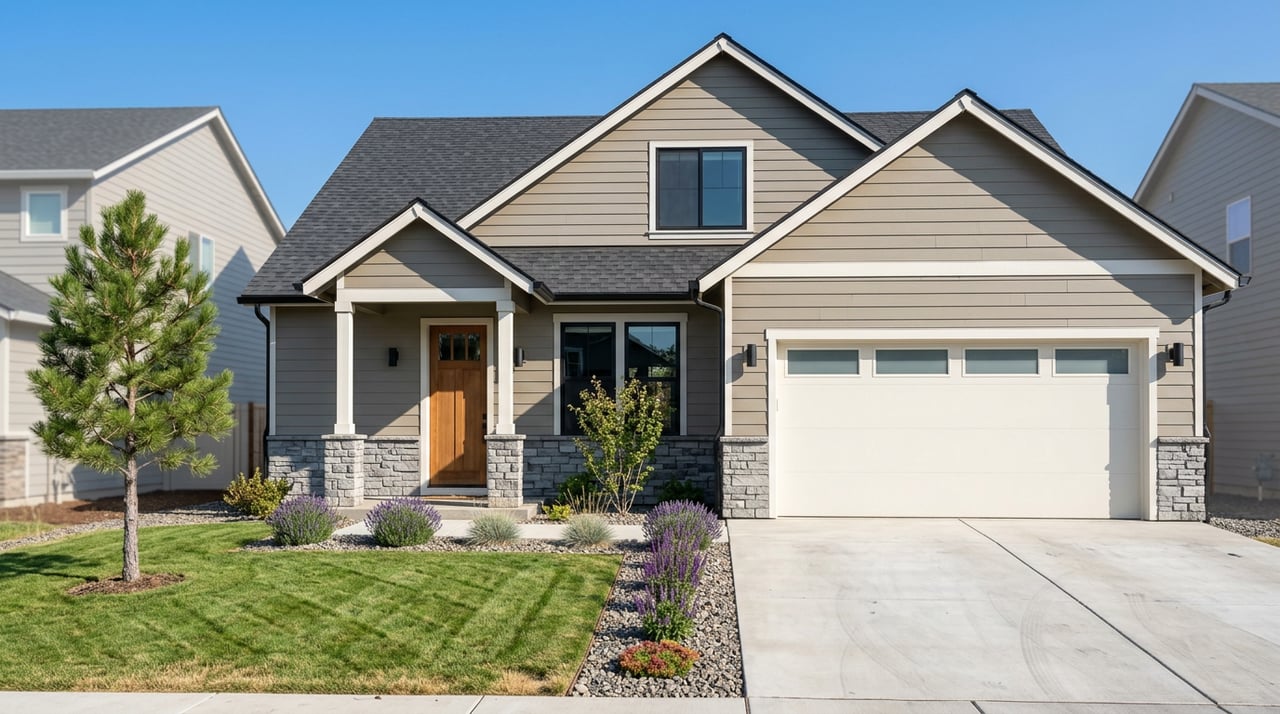
Thinking about moving up but not sure if Richland or West Richland fits you best? You are not alone. Many Tri-Cities buyers want more space, a smoother commute, and strong neighborhood amenities without overspending. In this guide, you will compare prices, lot sizes, commutes, schools, and lifestyle to pick the right fit for your next chapter. Let’s dive in.
Quick take: Richland vs. West Richland
- If you want a shorter commute and easy river access, lean toward Richland.
- If you want more square footage and a larger lot in the same broad budget, lean toward West Richland.
- Both cities fall within similar overall price bands. Expect slight variations by neighborhood and data source.
- School district coverage overlaps, so specific school boundaries matter more than the city name.
Home prices and value
Both cities sit in a similar mid market for the Tri-Cities. Market trackers reported Richland and West Richland medians in the mid 400Ks in late 2025 to early 2026. Methods vary by provider, so treat these as ranges rather than one fixed number. In a low-inventory market, different sources often land within plus or minus 5 to 10 percent.
Per-square-foot listing snapshots have recently hovered around the mid $250s in West Richland and the mid $260s in parts of Richland. Month to month, each neighborhood can move differently, so use current MLS data when you are ready to write an offer or set a list price. A regional 2025 recap also noted that Tri-Cities prices held roughly flat to modestly up, which aligns with this steady mid-market picture. You can review that regional context in the recent summary from CityBuzz’s Tri-Cities report for 2025 trends.
What your budget buys
Lower move-up band: about $350K to $450K
- West Richland: Often newer 3 to 4 bed homes with a bit more square footage than similarly priced options in town.
- Richland: A wider mix, from older central neighborhoods to smaller-lot newer builds and some infill.
Mid move-up band: about $450K to $600K
- West Richland: Frequently 2,200 to 3,000 square feet and 0.2 to 0.3 acre lots, sometimes larger.
- Richland: Larger single-family homes with options near golf or river-centric areas depending on neighborhood.
Upper move-up band: $600K and up
- Both cities: Premium single-family homes. In Richland, you will see options near river and golf amenities. In West Richland, expect newer large homes and some custom builds, often on bigger parcels.
Space and lot size
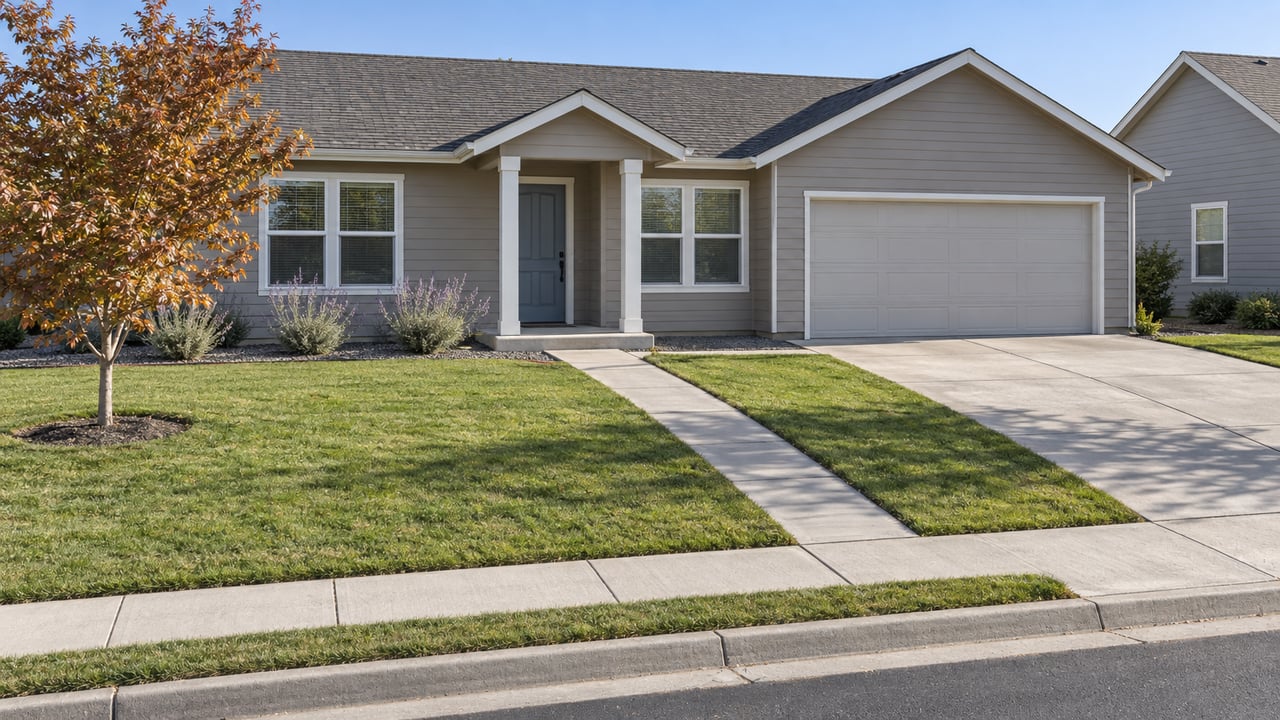
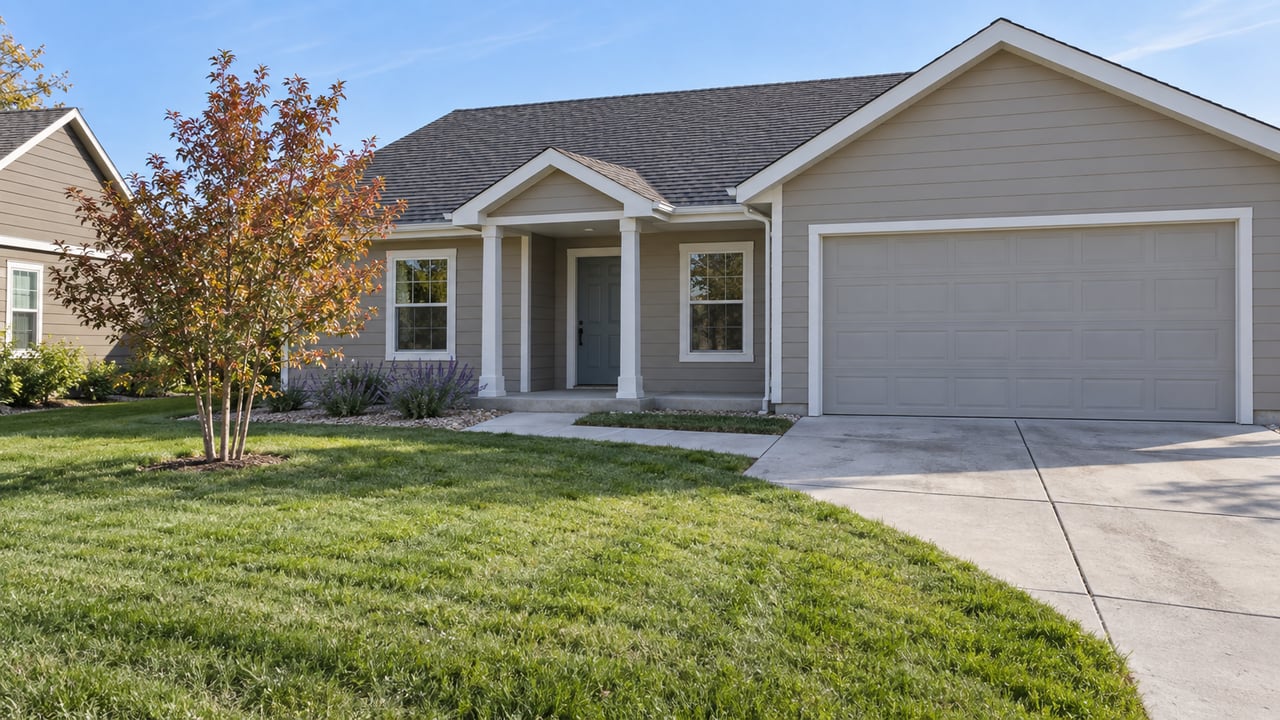
If indoor and outdoor room top your wish list, West Richland often delivers more for the dollar. Many subdivisions were built with larger average footprints and 0.2 to 0.3 acre lots or larger. That means easier room for gardens, play areas, sheds, or RV side yards.
Richland offers a mix. You will find mature, tree-lined streets with smaller lots closer to central amenities, plus established neighborhoods like Meadow Springs and Columbia Point and newer areas such as Horn Rapids and the Badger Mountain corridor. Richland also continues to add new subdivisions and planned developments over time. You can explore examples of recent land-use actions and projects on the City of Richland’s planning and land use archive.
Commute and daily drive
For many dual-income households, commute time is the swing vote. Census QuickFacts puts the mean travel time to work at about 20.4 minutes in Richland and roughly 24.5 minutes in West Richland. That gap reflects the simple geography: PNNL, Hanford contractors, and central Richland employers are closer to Richland addresses on average.
Primary routes include I-182, George Washington Way, Stevens Drive and SR 240, plus the river bridges that tie the cities together. If you work at or near the PNNL campus, Richland addresses tend to use more direct arterials. For directions and campus context, PNNL’s visitor page shows the key access points.
- Mean commute time reference: Richland QuickFacts and West Richland QuickFacts.
- Major employers: The regional roster includes PNNL, Kadlec, and Hanford-related contractors. See the Tri-Cities Development Council’s major employers list for a current snapshot.
Transit, trails, and getting around
Ben Franklin Transit connects both cities with regional routes and school tripper lines. The Sacagawea Heritage Trail system adds a strong non-motorized loop for recreation and some active commuting. If you value riverfront runs and bike rides, Richland’s adjacency to the Columbia River parks and trailheads is a daily quality-of-life boost. Learn more about the trail network via the Sacagawea Heritage Trail overview. For bus and student routing information, review Ben Franklin Transit’s school and trip planning resources.
Schools and programs
Both cities are primarily served by the Richland School District. That means school boundary lines and individual program offerings matter more than whether your address reads Richland or West Richland. You can review the district’s overview and program options on the Richland School District site.
Third-party rating sites show some schools above district and state averages, and the district has had individual schools recognized by Washington’s recognition programs in past cycles. For a sample of third-party data, you can view Desert Sky Elementary’s page on GreatSchools. Because ratings and boundaries change, always confirm the current school assignment for a specific property with the district.
Use neutral criteria when comparing:
- Program fit, electives, and extracurriculars you value.
- Commute from home to school and after-school logistics.
- Capacity and enrollment policies published by the district.
Lifestyle and recreation
If riverfront access, parks, and a quick hop to coffee shops and services matter to you, Richland stands out. The Columbia River corridor and Sacagawea Heritage Trail bring daily outdoor options for running, cycling, and family walks along the water. Start with the trail overview for a sense of the loop and access points.
If privacy and elbow room matter most, West Richland’s semi-rural suburban feel often wins. Many subdivisions sit on larger lots with quieter streets. The City of West Richland’s community FAQ speaks to the growth pattern and the balance of residential space within city limits.
Neighborhood examples to explore
- Richland riverfront and Columbia Park corridor. Good for easy trail and park access and short drives to central amenities.
- Meadow Springs and South Richland. Golf-adjacent homes, larger lots in places, and access to south Richland retail.
- Horn Rapids and the Badger Mountain area. Newer construction, views, and strong indoor-outdoor living.
- West Richland subdivisions like Sunset Heights and Collins Ridge. Larger floor plans and lots with a more open, residential setting.
Decision checklist
Use this quick filter to align your budget to your top priorities:
- If commute to PNNL or Hanford is key: Focus on Richland neighborhoods with quick access to Stevens Drive and SR 240. Expect higher demand in river and golf-adjacent pockets.
- If square footage and lot size lead: Target West Richland subdivisions where typical lots run 0.2 to 0.3 acres or larger and homes trend bigger.
- If school considerations drive the search: Confirm attendance boundaries and review district resources and third-party data for the specific schools linked to a property before you tour.
- If lifestyle near water and trails matters: Compare Richland neighborhoods along the river corridor and near the Sacagawea Heritage Trail.
Three buyer scenarios
- About $400K: Often an entry move-up. In West Richland, look for newer 3-bed homes with a touch more space. In Richland, consider well-kept older homes in central areas or smaller-lot newer builds.
- About $500K: In West Richland, 2,200 to 3,000 square feet on 0.2 to 0.3 acre lots is common. In Richland, this range may unlock homes near golf or with quicker river access depending on the neighborhood.
- $600K and above: Both cities offer premium single-family options. Decide whether a larger lot or a shorter commute and river access delivers more daily value for your family.
Pros and cons at a glance
Richland pros
- Shorter average commutes to PNNL and many Hanford contractors. See the region’s major employers list for context.
- Riverfront parks and trails with strong daily recreation value. Explore the Sacagawea Heritage Trail.
- Broad mix of housing types, from mid-century homes to newer infill and higher-end river or golf neighborhoods.
Richland trade-offs
- Smaller lots are common in older neighborhoods, and active infill can increase competition for centrally located homes. The city’s land-use archive offers context for recent development activity.
West Richland pros
- Typically larger floor plans and larger lots for similar budgets.
- Semi-rural suburban setting with quieter streets and more private yards. The city’s FAQ provides general growth and community insights.
West Richland trade-offs
- Slightly longer average drives to Richland-area employers. Mean commute times are a few minutes higher on average per Census QuickFacts for West Richland.
How to choose with confidence
Start with your top two priorities. If everyday drive time and river access are non-negotiable, shortlist Richland neighborhoods close to key arterials. If you want space for a home office, a bigger yard, or a future shop, make West Richland your first stop. Because the Richland School District serves both cities, verify the exact school boundary for any address you are considering. Finally, use current MLS comps when you are ready to act, since micro-markets can move faster than citywide medians.
Ready to compare homes side by side and run real numbers on commute, lot size, and school boundaries for each address? Partner with a local pro who lives and breathes Tri-Cities neighborhoods. Connect with Gavin Vargas to map your priorities to the right homes and make a confident move-up plan.
FAQs
What is the main difference between Richland and West Richland for move-up buyers?
- Richland tends to offer shorter commutes and river access, while West Richland often provides larger homes and lots in similar price ranges.
Are school options very different between Richland and West Richland?
- Most addresses in both cities feed into the Richland School District, so specific school boundaries and programs matter more than the city name; confirm assignments through the district.
How do commute times compare for typical Tri-Cities jobs?
- Census data shows about 20.4 minutes in Richland and around 24.5 minutes in West Richland on average; proximity to PNNL and Hanford sites often favors Richland.
Where will I likely find a larger yard without a big price jump?
- Many West Richland subdivisions offer 0.2 to 0.3 acre lots, and some provide even larger parcels, which is attractive if outdoor space is a priority.
Which city works better for a lifestyle near trails and the river?
- Richland places you closer to the Columbia River parks and the Sacagawea Heritage Trail, which many buyers value for daily recreation.
If my budget is around $500K, what should I expect in each city?
- In West Richland, you will often see 2,200 to 3,000 square feet on 0.2 to 0.3 acre lots; in Richland, that budget may access golf-adjacent or river-proximate neighborhoods depending on availability.
Sources and helpful links:
- Tri-Cities major employers: TRIDEC
- Richland School District overview: RSD
- Third-party school snapshot example: GreatSchools – Desert Sky Elementary
- Commute data: Census QuickFacts – Richland and Census QuickFacts – West Richland
- PNNL campus directions: PNNL Visitor Info
- Regional transit and school trip planning: Ben Franklin Transit
- Riverfront loop details: Sacagawea Heritage Trail
- City growth and community info: City of West Richland FAQ
- Richland planning and land use archive: City of Richland
- 2025 market context: CityBuzz – Tri-Cities 2025 summary