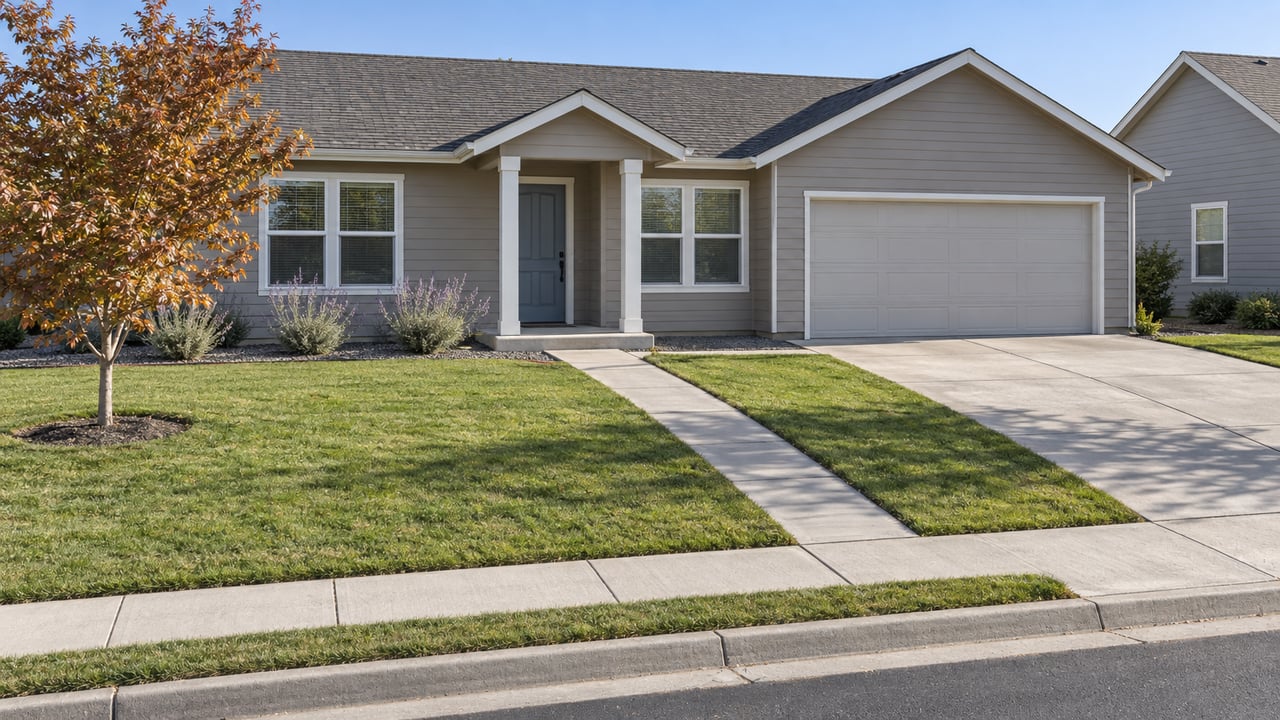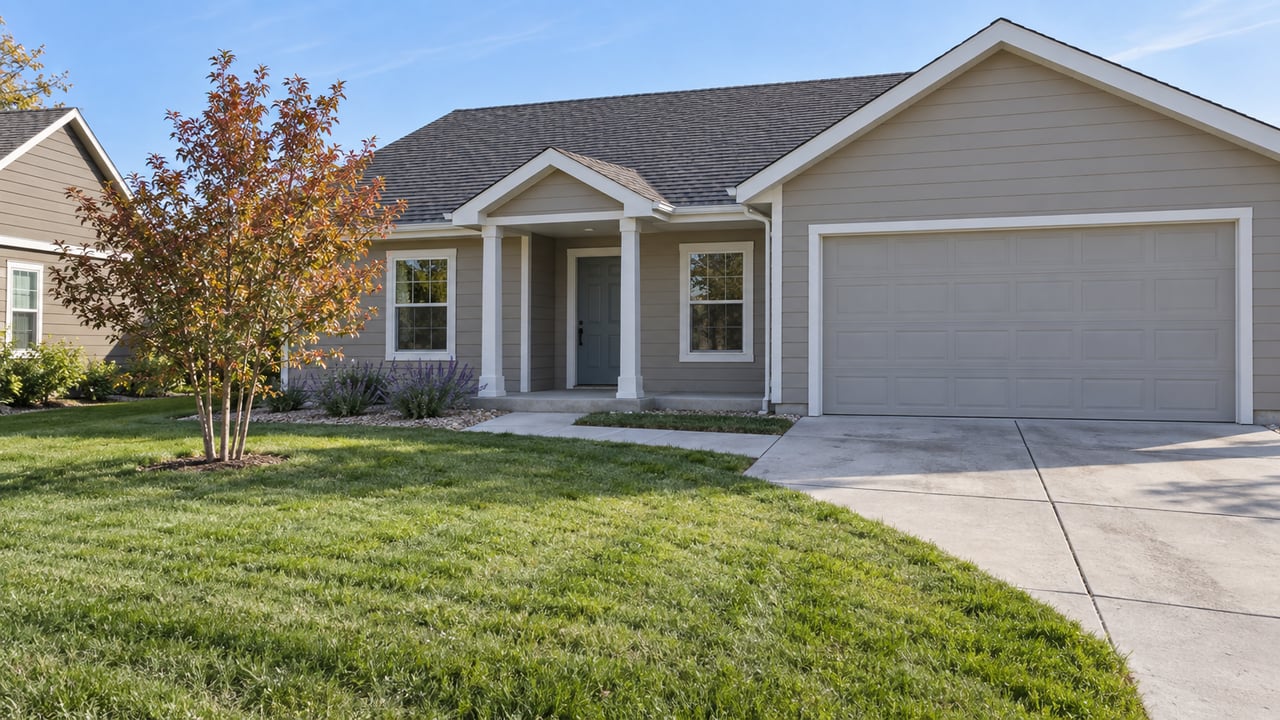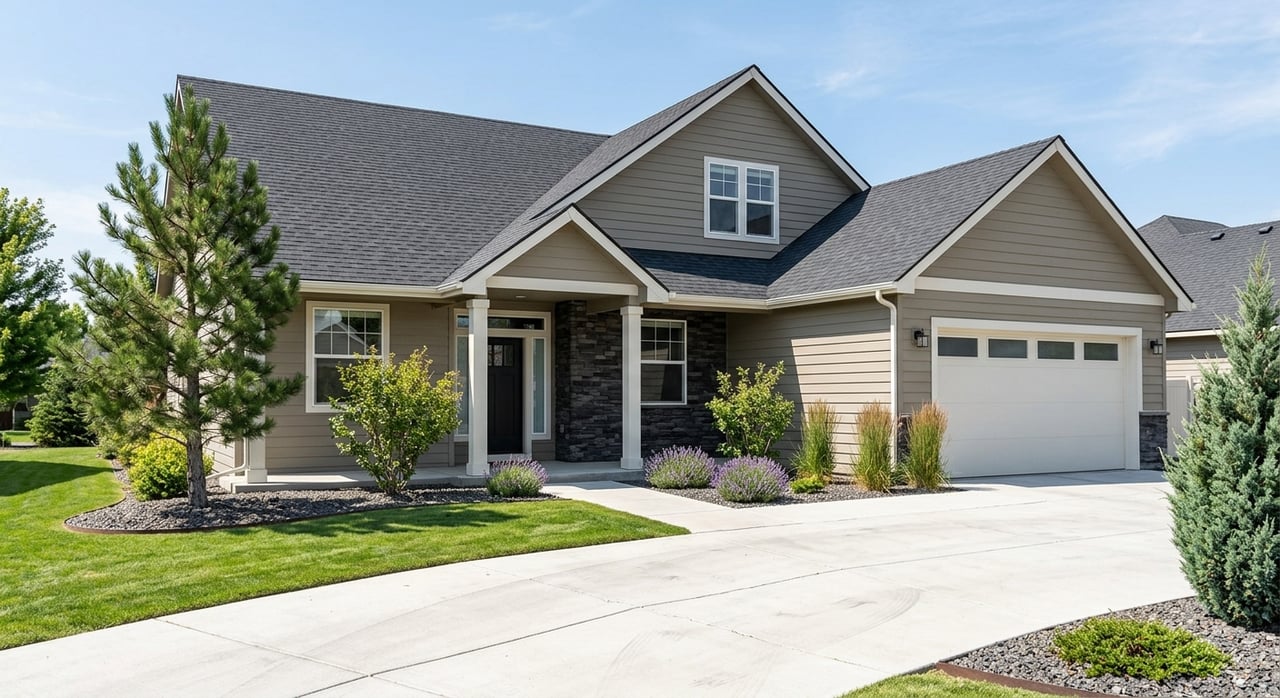
Thinking about moving up in Kennewick? You are not alone. Many local homeowners have built equity, but the jump from your current home to your next one can still feel complicated when you are trying to line up price, timing, monthly payment, and neighborhood fit all at once. The good news is that with a clear plan, you can make smart decisions and avoid costly surprises. Let’s dive in.
Start With Your Move-Up Math
Before you tour homes, get clear on what your next move can realistically look like. In Kennewick, that starts with understanding both your current equity position and the price range you may be shopping in.
The local market sits largely in the low- to mid-$400,000s. Recent reports show average or median values ranging from about $421,000 to $458,000 depending on the source, which tells you one important thing: you need to plan with real numbers, not guesswork. A move-up purchase often means a higher price point, so your budget should account for more than just the new mortgage.
A simple way to think about it is to break your planning into three buckets:
- How much equity you can net from your current home
- What monthly payment you can comfortably carry
- What location and lifestyle changes matter most to you
That three-part approach fits Kennewick well, where home values, commute times, and neighborhood growth all play a role in your decision.
Estimate Your Equity Carefully
Your home equity may be the key to your next purchase, but you should not assume every dollar of value becomes spendable cash. What matters is what you are likely to net after paying off your mortgage and seller costs.
In Washington, real estate excise tax, or REET, is usually paid by the seller at closing. The state rate is graduated, and Kennewick also has a local REET rate of 0.50%. If your sale price is up to $525,000, the state portion is 1.10%, which means many Kennewick sellers should expect REET to be a meaningful line item in their move-up budget.
You should also leave room for standard closing-related expenses and moving costs. Consumer guidance notes that closing costs on a purchase typically run about 2% to 5% of the purchase price, not including your down payment. When you add moving expenses, possible repairs, taxes, insurance, and any HOA dues, the full picture becomes much more important than the headline sale price of your current home.
Decide Whether To Sell First or Buy First
For many homeowners, this is the biggest question in the whole process. In general, selling your current home first is the most common path because it helps define your available cash and reduces the risk of carrying two homes at once.
That said, your best sequence depends on your finances, your tolerance for risk, and how flexible your timing can be. In a market like Kennewick, where conditions appear more balanced than the ultra-competitive markets of past years, you may have a little more room to plan, but you still need to be prepared.
When Selling First Makes Sense
Selling first can be a strong choice if you want clarity and control. Once your current home is under contract or closed, you have a much better handle on your proceeds and your price range.
This route can help you:
- Shop with a firmer budget
- Avoid stretching your monthly payments
- Reduce uncertainty around your down payment funds
- Strengthen your confidence when making an offer
It can also mean you need a temporary housing plan if your next home is not ready in time. That is why timing and negotiation strategy matter.
When Buying First May Be Possible
Some move-up buyers want to secure the next home before they let go of the current one. That can work, but only if your finances support it.
Options like a HELOC, home equity loan, or bridge loan may help in certain cases. A HELOC lets you draw against available equity, while a home equity loan is a lump-sum second mortgage. Bridge or swing loans may also be allowed if your lender documents that you can carry the payments on the current home, the new home, and the bridge loan.
Because these options add complexity, they should be evaluated carefully with your lender before you make plans around them.
Get Preapproved Early
A preapproval is one of the most practical tools you can have as a move-up buyer. It helps you understand your likely financing range and shows sellers that you are serious.
It is important to remember that a preapproval letter is not a final loan commitment. Still, sellers often expect one, and it can make your offer much more credible. If you are trying to buy and sell at the same time, early financing conversations become even more important because your lender may need to review both properties, your equity position, and your payment scenario.
Plan Around Kennewick Market Conditions
Kennewick is not standing still. The city has a strong owner-occupied base, and planning documents point to continued long-term growth, with housing, transportation, parks, schools, and access to work and services all part of that conversation.
For you, that means your next home decision is not just about square footage. It is also about how a neighborhood may function for your day-to-day life now and how the area may evolve over time.
Current housing data suggests buyers should still be ready to act, but they may not face the same level of pressure seen in tighter markets. Depending on the source, homes are going pending in about 22 days, or selling closer to 63 days on market, with sale-to-list price ratios near 99.8%. In practical terms, that means good homes can still move, but you may have more room for careful planning than in a pure seller-driven frenzy.
Choose a Neighborhood With Daily Life in Mind
A move-up home should improve how you live, not just give you an extra bedroom. That is why neighborhood planning matters just as much as the house itself.
Kennewick’s long-range planning highlights growth, transportation, housing, and access to services as key issues. So when you compare areas, think beyond listing photos. Look at commute patterns, access to major roads, parks, retail, and the everyday places that shape your routine.
Consider Commute and Access
The Census Bureau reports a mean commute time of 21.3 minutes in Kennewick. That may sound manageable, but even small location changes can affect your day.
If your household is balancing work, school drop-offs, activities, or regional travel, easier access to major routes can make a real difference. Southridge is one example that often comes up in local move-up searches because the city describes it as an evolving southern gateway with access to Highway 395 and Interstate 82, along with dining, a hospital, and a major sports and events complex.
Check Amenities You Will Actually Use
Move-up buyers often focus on home size first, then realize later that lifestyle features matter just as much. Kennewick offers a wide range of parks and recreation assets, including the Sacagawea Heritage Trail, Zintel Canyon, splash pads, a dog park, community garden, and Columbia Park Golf Tri-Plex.
If outdoor time, recreation, or convenient gathering spots matter to your household, keep those features on your checklist. The best move-up plan matches the property to the rhythm of your life.
Verify School Boundaries by Address
If school assignment is part of your planning, check it by the exact property address. Kennewick School District serves more than 19,100 students across 33 schools and learning programs, and the district uses a boundary tool to assign schools by address.
That matters because neighborhood assumptions are not enough. A street-level check is the safer way to confirm what applies to a specific home.
Understand Price Differences Between Areas
Some parts of Kennewick sit above the citywide price range. For example, Realtor.com neighborhood data lists Canyon Lakes at a median listing price of $594,950 and Hansen Park at $565,000, both above the citywide median listing price.
That does not automatically make them the right fit for you. It simply means you should compare locations with a clear eye on value, monthly payment, and what trade-offs matter most.
Build a Realistic Purchase Budget
A move-up purchase can feel affordable at first glance if you focus only on the down payment. A better plan is to build your budget around the total cost of ownership.
Your monthly number should include:
- Principal and interest
- Property taxes
- Homeowners insurance
- HOA dues, if any
- Utilities and maintenance
- Any payment tied to equity financing, if used
That bigger-picture budget helps you avoid becoming house-rich and cash-tight. In a city where median monthly owner costs with a mortgage are reported at $1,837, understanding how far above that you are comfortable going can help anchor your decision.
Coordinate the Transaction Timeline
The move-up process is really two transactions that need to work together. That is where many homeowners feel the most stress.
Closing on a home usually involves inspection, homeowners insurance, title insurance, lender documents, and final review before signing. If you are also selling at the same time, you are juggling those steps on both sides while trying to protect your timing and your finances.
A smoother plan usually includes:
- Pricing your current home with local market data
- Reviewing your likely net proceeds
- Getting preapproved for the next purchase
- Deciding on a sell-first or buy-first strategy
- Narrowing neighborhoods based on budget and lifestyle
- Coordinating listing, offer, inspection, and closing timelines
This is where a full-service local agent can add real value. The goal is not just to help you find a bigger home. It is to help you line up the sale, purchase, timing, and details so the move feels manageable.
Make Your Next Home a Smarter Step
A successful move-up plan in Kennewick is about more than buying more house. It is about knowing your equity, understanding your true payment, and choosing a location that supports your daily life now and as the city grows.
If you are thinking about your next move, start with a clear strategy before you start scrolling listings. When you understand your numbers and your priorities, you can move with a lot more confidence.
If you want help mapping out your sale, your purchase timing, and the right Kennewick neighborhoods for your next step, connect with Gavin Vargas for local guidance backed by data, responsiveness, and real Tri-Cities experience.
FAQs
How should Kennewick move-up buyers estimate home sale proceeds?
- Start with your expected sale price, then subtract your mortgage payoff, Washington REET, local Kennewick REET, and other likely seller closing costs to estimate your net equity.
What closing costs should Kennewick move-up buyers budget for on the next home?
- A practical starting point is about 2% to 5% of the purchase price in closing costs, plus your down payment, moving costs, repairs, taxes, insurance, and any HOA dues.
Should Kennewick move-up buyers sell their current home before buying?
- Many homeowners sell first because it gives them a clearer budget and reduces the risk of carrying two housing payments, though the best sequence depends on your finances and timing needs.
How competitive is the Kennewick housing market for move-up buyers?
- Recent data suggests buyers should still be prepared, but Kennewick is not acting like an extreme seller-only market, which may give you more room for planning and negotiation than in tighter conditions.
How can Kennewick buyers check school assignments for a specific home?
- Use the Kennewick School District boundary tool and verify by exact property address, since school assignments are address-based and should not be assumed by neighborhood name alone.
Which Kennewick areas may have higher move-up home prices?
- Recent neighborhood data shows areas such as Canyon Lakes and Hansen Park listing above Kennewick’s citywide median, so it helps to compare price, payment, commute, and amenities together.