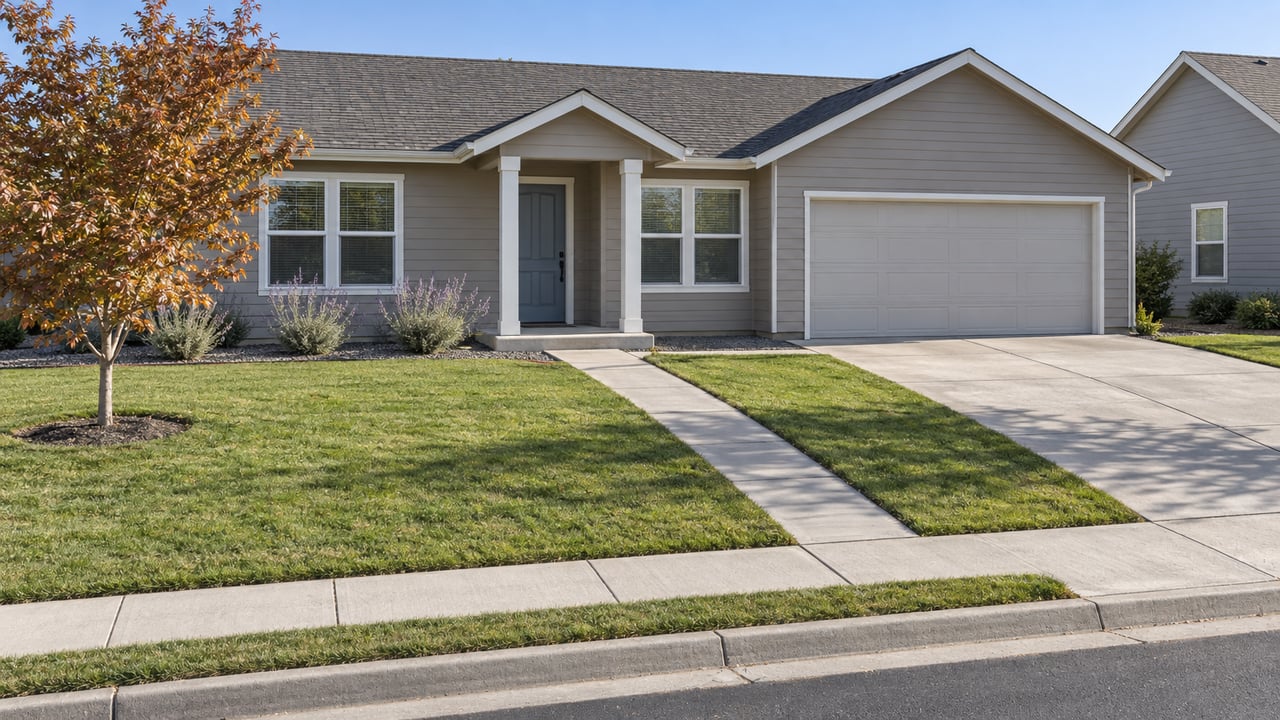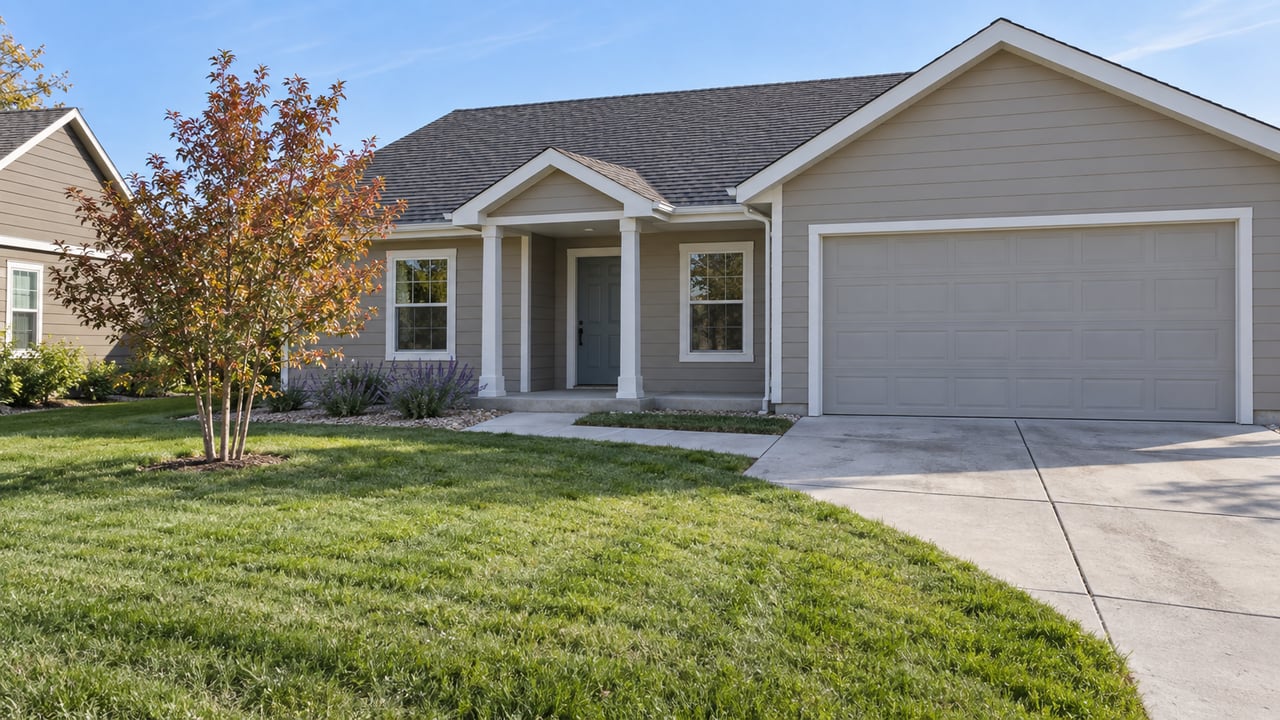
Buying a home in West Richland and not sure how much cash you’ll need at the finish line? You are not alone. Closing costs can feel mysterious, yet a clear plan removes the stress and keeps your purchase on track. In this guide, you’ll learn what closing costs include, typical ranges in Benton County, what is negotiable, and how to estimate your exact cash to close. Let’s dive in.
What closing costs include
Closing costs are the expenses you and the seller pay to transfer ownership and fund your mortgage. They include lender charges, third‑party fees, title and escrow services, prepaid items like insurance and property taxes, and government recording fees. Lenders must deliver a standardized Closing Disclosure at least three business days before you sign so you can review the final numbers. You can read more about the Closing Disclosure and timing in the Consumer Financial Protection Bureau’s overview of mortgage closings.
- Learn how the Closing Disclosure works on the CFPB site: Know Before You Owe closing guide
Typical buyer costs in West Richland
Lender fees and appraisal
- Loan origination fee often ranges from about 0.5% to 1.5% of your loan amount.
- Optional discount points cost 1% of the loan amount per point and can lower your interest rate.
- Underwriting, processing, and application fees together often total $300 to $1,200.
- Appraisals typically run $400 to $800 for a standard single‑family home. Credit reports, flood certifications, and other small items together usually add $15 to $200.
- Government‑backed loans can include program‑specific costs, such as FHA mortgage insurance premiums or a VA funding fee. Review program rules on HUD and the VA home loan pages.
Title, escrow, and recording
- Title insurance generally involves two policies: a lender’s policy required by your lender and an optional owner’s policy that protects your ownership. Who pays for the owner’s policy is negotiable and can vary by neighborhood custom.
- Escrow or settlement fees cover the title company’s work to manage funds and documents. These are often split between buyer and seller by local practice.
- Recording fees are paid to Benton County to record your deed and mortgage. Fees vary with document type and page count. For current schedules and contacts, visit the Benton County official site.
- For background on how title insurance is regulated in Washington, see the Washington Office of the Insurance Commissioner.
Prepaids and prorations
- Prepaid interest covers interest from the day you fund to the start of your first regular payment.
- Your lender typically requires the first year of homeowners insurance to be paid at closing. Annual premiums often range from about $600 to $2,000 for many single‑family homes, but property specifics drive the final number.
- Property taxes are prorated between buyer and seller. Washington taxes are commonly due in April and October. If you close later in a tax period, your prorated share at closing can be higher. Confirm amounts and timing with the Benton County Assessor or Treasurer via the county website.
Inspections and third‑party reports
- A standard home inspection often costs $300 to $600. Specialty inspections such as septic, well, pest, roof, chimney, radon, mold, sewer scope, or structural reviews are additional.
- Surveys, if needed, usually start around $300 and can exceed $1,000 depending on the parcel.
HOA and flood notes
- If the home is in an HOA, expect prorated dues and possible document or status letter fees, often $100 to $400.
- Parts of Benton County are in mapped flood zones. Your lender will order a flood certification and may require flood insurance if the property is in a designated zone.
How much to budget
Across Washington markets, buyers often pay about 2% to 5% of the purchase price in closing costs, excluding the down payment. Your cash to close equals your down payment plus closing costs, minus any credits from the seller or lender.
Examples using the 2% to 5% rule of thumb:
- $300,000 purchase: roughly $6,000 to $15,000 in buyer closing costs.
- $500,000 purchase: roughly $10,000 to $25,000 in buyer closing costs.
- $800,000 purchase: roughly $16,000 to $40,000 in buyer closing costs.
These are estimates. Your exact numbers depend on your loan program, rate, points, closing date, insurance quote, tax proration, title and escrow fees, and any HOA costs. Your lender’s Loan Estimate and the escrow company’s fee quote will bring the figures into focus.
Seller costs buyers should know
Understanding the seller’s side helps you negotiate with confidence.
- Real estate commission is commonly a significant seller expense. Local practices vary.
- Washington’s Real Estate Excise Tax is generally paid by the seller and is based on the sale price. For the latest rates and examples, review the Washington Department of Revenue REET page.
- Owner’s title insurance and escrow fees are negotiable. In many Washington markets, sellers pay the owner’s title policy, though customs vary by submarket and can be negotiated.
- Sellers may agree to credits toward your closing costs or repairs, subject to your lender’s rules and the appraisal.
What is negotiable
Several items can be negotiated in your offer and during inspection.
- Seller credits to your closing costs and prepaids, within program limits.
- Who pays the owner’s title policy and how escrow fees are split.
- Repair credits applied to closing costs instead of the seller performing repairs.
Seller contribution caps vary by loan type and down payment percentage. FHA, VA, and conventional loans have different limits and treatment of costs. Review program guidance with your lender and consult sources like HUD, the VA home loan program, and Fannie Mae.
Step‑by‑step: estimate your cash to close
Request a Loan Estimate early. Your lender must provide it within three business days of application. It outlines your rate, payment, and itemized closing costs.
Ask escrow for a Benton County fee quote. Request estimated title and escrow charges and recording fees for your address and price.
Add prepaids and prorations.
- First‑year homeowners insurance premium. Get a written quote.
- Property tax proration. Ask the seller for recent bills or call Benton County for parcel‑specific tax amounts.
- Prepaid interest to your first payment date. Your lender will estimate this based on your target closing date.
Include inspections and appraisal. Add your inspection costs and any specialized reports. Include the appraisal fee if you pay it at closing.
Subtract credits. Deduct seller credits and any lender credits to get your expected cash to close.
Review the Closing Disclosure. You must receive it at least three business days before closing. Use that time to ask questions and confirm wire instructions only with verified contacts. For a plain‑English overview, see the CFPB’s mortgage closing guide.
Questions to ask your team
Ask your lender
- Please provide a Loan Estimate and explain each fee line, including any origination, points, and third‑party charges.
- What is my maximum seller credit under my loan program and down payment?
- How much prepaid interest will I owe if we close on my target date?
- Do you require the first year of insurance at closing, and how much should I budget?
- What could change the Closing Disclosure within the three‑day review period?
Ask the escrow or title officer
- Please provide a preliminary closing statement for Benton County with estimated escrow and title fees and recording charges.
- Who typically pays for the owner’s title policy in this neighborhood, and what are the options if we want to allocate differently?
- What is the current fee schedule to record a deed of trust and warranty deed in Benton County?
- What are the expected property tax and HOA prorations and any HOA document or status letter fees?
Ask the listing agent or seller
- Will the seller pay the owner’s title policy or contribute to my closing costs?
- When was the last property tax bill paid, and what were the amounts?
- Are there any pending or special HOA assessments?
Ask yourself
- If I buy late in the tax period, do I have enough cushion for property tax prorations and prepaids?
- Would an owner’s title policy give me added long‑term protection if the seller does not provide one?
West Richland buyer tips
- Do not assume the buyer pays the real estate excise tax. In Washington, the REET is generally seller‑paid, but confirm in your purchase agreement. See the Washington Department of Revenue for current rules.
- Budget for property tax prorations. Closing near the end of a tax period can increase your cash to close.
- Order HOA documents early to avoid delays or last‑minute fees.
- Shop lenders and compare itemized fees. The Loan Estimate and Closing Disclosure are designed to help you compare.
- Put any expected seller credits in the purchase contract, and confirm that the amounts fit your loan program’s limits.
- Verify recording fees and procedures with Benton County before closing. Use the county site for current contacts and forms.
A quick example scenario
Here is a simple illustration for a $500,000 West Richland purchase using common assumptions. Your numbers will vary.
- Purchase price: $500,000
- Down payment: 10% = $50,000
- Estimated buyer closing costs at 3.5%: $17,500
- Seller credit: $5,000
- Estimated cash to close: $50,000 + $17,500 − $5,000 = $62,500
This estimate includes lender fees, title and escrow, recording, prepaid insurance, tax proration, and a standard inspection. It does not include optional points or specialized inspections. Always confirm with your lender and escrow for exact figures.
Ready to run your numbers on a home you love in West Richland? Get local answers, negotiation strategy, and a clean path to closing with Gavin Vargas. Reach out when you are ready to move.
FAQs
What closing costs do buyers pay in West Richland?
- Buyers typically cover lender fees, appraisal, title and escrow shares, recording, prepaid interest, first‑year insurance, prorated property taxes, and inspections.
When will I receive my Closing Disclosure in Washington?
- Lenders must provide your Closing Disclosure at least three business days before closing, as outlined by the CFPB’s Know Before You Owe rule.
Who usually pays the owner’s title policy in Benton County?
- It is negotiable, and local custom varies by neighborhood, so confirm with the listing agent and the escrow officer when you open escrow.
How are property taxes prorated at a West Richland closing?
- Washington property taxes are commonly due in April and October, and buyers and sellers prorate based on timing, so verify parcel‑specific amounts with Benton County.
Can the seller pay all my FHA or conventional closing costs?
- Seller credits are capped by loan program and down payment, so review limits with your lender and refer to guidance from HUD, the VA, or Fannie Mae.